Summary The government under criticism on failure to take a clear position regarding Saudi-Iran standoff.
Dunya News report (Madiha Fareed)
ISLAMABAD: Following his Foreign Minister’s visit to Pakistan just two days ago, Saudi Defence Minister Mohamed bin Salman is scheduled to visit Islamabad tomorrow (Sunday).
While talking to media on Saturday, Prime Minister’s Advisor on Foreign Affairs Sartaj Aziz defended the government’s “cautious” approach regarding Saudi-Iran confrontation. He said that a firm policy at this time could be counterproductive given the sensitive and sectarian nature of the conflict.
The visit, which is being predicted as a crucial one in the midst of a diplomatic feud between Iran and Saudi Arabia over execution of a Shiite cleric and the intense reaction from Shiite states, holds a strategic significance. The one after another visit from top Saudi leadership seems nothing less than an effort to win Pakistan’s support in its spat with Iran. The Saudi defence minister is expected to meet same top military and political leadership with whom his colleague has already discussed some vital issues including tensions with Iran, and Pakistan’s potential role in the 34-country military coalition formed by Saudi-Arabia on Decemebr 15, 2015.
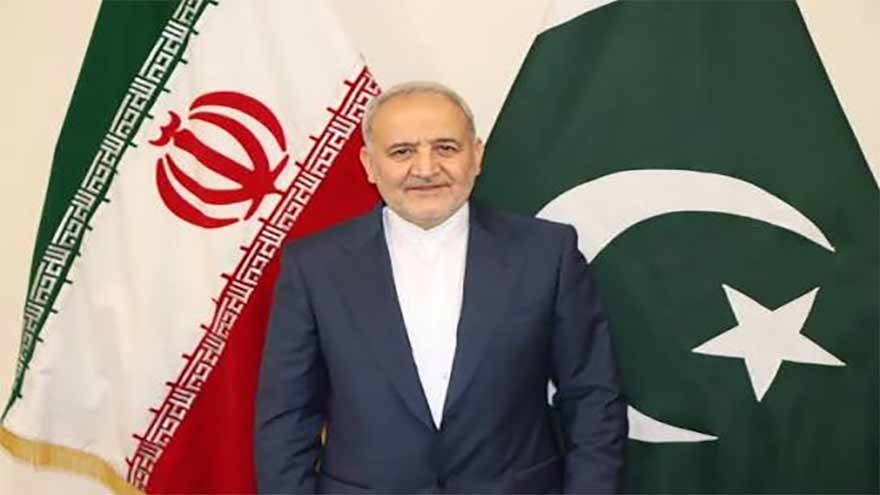
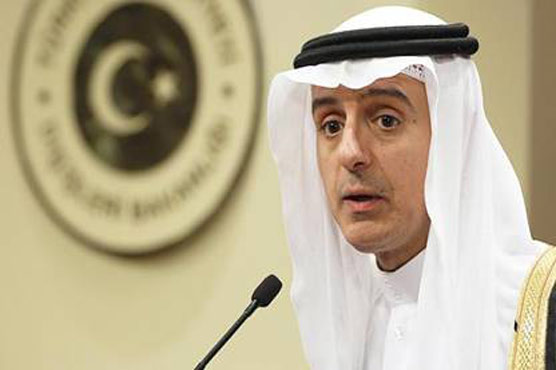
Saudi Foreign Minister Adel Bin Ahmed al Jubeir held meetings with Prime Minister Nawaz Sharif, Army Chief General Raheel Sharif and PM’s Advisor on Foreign Affairs Sartaj Aziz. But, nothing concrete appeared about this visit in media. A press release of Pakistan’s foreign office just said that the Saudi minister briefed Prime Minister Nawaz Sharif on Islamic coalition and the current situation arose after Saudi conflict with Iran.
The government has got itself into hot water on its failure to take a clear position regarding Saudi-Iran standoff. Pakistan holds a key position in this matter as being a close friend of Saudi Arabia and Iran; secondly, the government’s lack of a clear policy at this point of time received backlash from opposition parties inside the country. Leader of the Opposition in The National Assembly Khurshid Shah has criticized the government for not taking parliament in confidence and called for an in-camera session of parliament to discuss this issue. A day earlier, Pakistan Tehreek-e-Insaf (PTI) chief Imran Khan held separate meetings with Iranian and Saudi ambassadors in Pakistan. He told reporters afterwards that Pakistan’s role should be of a mediator. Taking sides on the issue will only create problems for Pakistan in future, he said. He added that Islamabad should remain neutral and must not be the part of a coalition against Iran.
The Year 2015 saw an unprecedented turn in Pakistan’s relations with Saudi Arabia when the earlier refused to join Saudi military forces against Houthi rebels in Yemen and took a clear stance that it will not deploy its forces outside country’s borders except for United Nations Peace Keeping missions. The political analysts around the globe speculated that Pakistan’s refusal could cause irreparable damage to Saudi-Pak historic and friendliest relations.
The Islamic Military Alliance with its headquarters in Riyadh constitutes 34 Muslim nations to fight terrorism in Iraq, Syria, Libya, Egypt and Afghanistan. The announcement was met with surprise from Pakistan and many other countries. The initial reaction from Pakistani officials confirmed that Pakistan’s consent and consultation was not taken into account while forming this coalition. Later, Pakistani government welcomed the initiative and confirmed its participation in the “anti-terror’” alliance. Many viewed it as a step to mend the earlier rift caused by Pakistan’s snub to fight Saudi’s proxy war in Yemen.
Pakistan’s relations with Arab states, especially Saudi Arabia go way back and people of Pakistan hold special respect for the kingdom given their religious attachment. Both countries have reiterated over time that threat to one’s sovereignty would mean threat to the other’. Pakistan’s relations with Saudi Arabia go beyond the strategic partnership. Saudi Arabia is a top destination for unemployed Pakistanis; and Pakistan’s southern region has been a favorite of Arab dignitaries for hunting including the forbidden Houbara Bustards. However, given the current situation and Pakistan’s inability to take a clear stance on growing middle-east tensions is only increasing pressure on Pakistan.
Although Pakistan has expressed enthusiasm to be a part Saudi-led coalition, it remains uncertain whether Pakistan’s role will be limited only to sharing military expertise or sending troops on the ground, mainly to fight ISIS in Syria, which would mean Pakistan physically joining Middle-East conflict. The frequent visits from Saudi ministers are an indication that the kingdom has something big planned for Pakistan regarding its role in the military coalition.