Summary US President Donald Trump says Iran-US talks could resume within two days and suggests Pakistan is the most likely venue for the next round of negotiations.
WASHINGTON (Dunya News) – US President Donald Trump has indicated that diplomatic talks between the United States and Iran could resume within the next two days, suggesting that Pakistan is emerging as a strong candidate to host the next round of discussions.
The remarks, reported by the New York Post, come amid ongoing diplomatic efforts involving multiple regional actors attempting to sustain momentum in the fragile dialogue process.
Trump’s comments also pointed to a possible continuation of engagement in Islamabad, following earlier high-level discussions held in the Pakistani capital over the weekend.
The situation remains fluid, with back-channel diplomacy still active and no formal confirmation yet from Washington or Tehran on the next venue.
Pakistan role
According to Trump, discussions could restart very soon, with Pakistan seen as a preferred location for the next phase of negotiations. He suggested that the likelihood of returning to Pakistan was higher compared to other locations, linking the preference to Pakistan’s current military leadership.
Trump specifically praised Field Marshal Asim Munir, describing him in strong terms and indicating that his role had contributed positively to the diplomatic environment surrounding the talks.
“You should stay there, really, because something could be happening over the next two days, and we’re more inclined to go there,” Trump was quoted as saying, adding that the US was “more inclined” to return to Pakistan for further engagement. He further remarked, “It’s more likely… because the Field Marshal [Asim Munir] is doing a great job. He’s fantastic, and therefore it’s more likely that we go back there.”
He also questioned the practicality of holding talks in other locations, stating, “Why should we go to some country that has nothing to do with it?” The remarks underline Washington’s consideration of Pakistan as a facilitating ground for continued dialogue rather than a direct party to the negotiations.
Islamabad talks
Trump’s comments follow reports that US and Iranian negotiating teams could reconvene in Islamabad later this week after a series of meetings already held in the Pakistani capital. Pakistan had hosted direct Iran-US talks over the weekend, marking what has been described as the highest level of engagement between the two sides since 1979. Delegations from both countries departed Islamabad on Sunday after discussions concluded without a final agreement, though officials noted there was no breakdown in the process either.
Sources cited in earlier reporting indicated that diplomatic communication between all sides had remained active after the initial round. Pakistani officials were reportedly coordinating with both Washington and Tehran to determine timing for a possible follow-up session. A senior government official was quoted as saying that Iran had responded positively to the prospect of a second round, signalling openness to continued engagement.
Diplomatic efforts
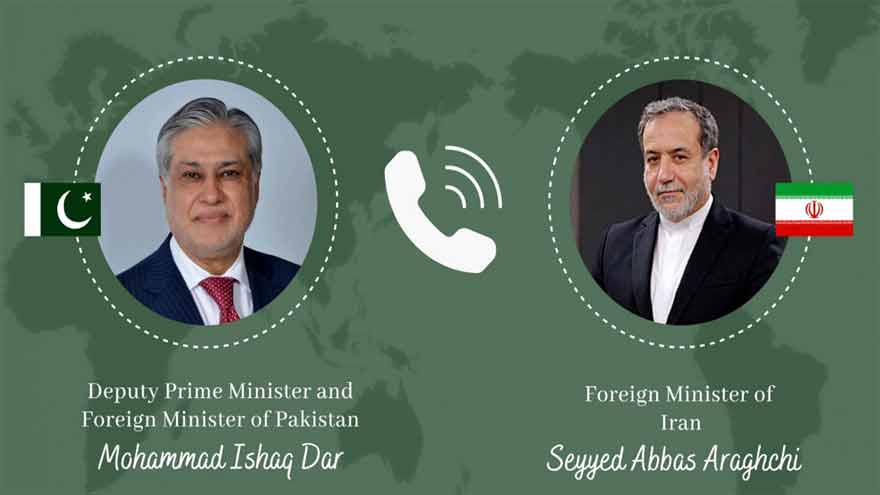
On Monday, officials familiar with back-channel communications said intermediaries were actively working to bring both sides back to the negotiating table, with Pakistan playing a central facilitation role. The process has reportedly been supported by additional regional stakeholders, including Turkiye and Egypt, who are assisting in efforts to maintain dialogue momentum and prevent further escalation.
The immediate diplomatic priority has been described as sustaining the existing ceasefire framework while broader discussions continue. Pakistani leadership has publicly emphasised the importance of ongoing engagement. Prime Minister Shehbaz Sharif told a federal cabinet meeting that “full efforts” were underway to support resolution of ongoing tensions, noting that the ceasefire remained in place while negotiations continued behind the scenes.
PM Shehbaz briefs President Zardari on US-Iran talks
Sharif also confirmed continued diplomatic outreach, including coordination with senior officials regarding upcoming foreign visits aimed at strengthening regional peace efforts. Separately, the President’s Office stated that he had briefed President Asif Ali Zardari on recent developments, including planned visits to Saudi Arabia and Türkiye and the broader scope of discussions involving Iran and the United States.
As diplomatic channels remain active, attention is now focused on whether Islamabad will once again host the next phase of talks within days, as indicated by the US President, and whether regional mediation efforts can help maintain momentum in one of the most closely watched diplomatic engagements in recent years.