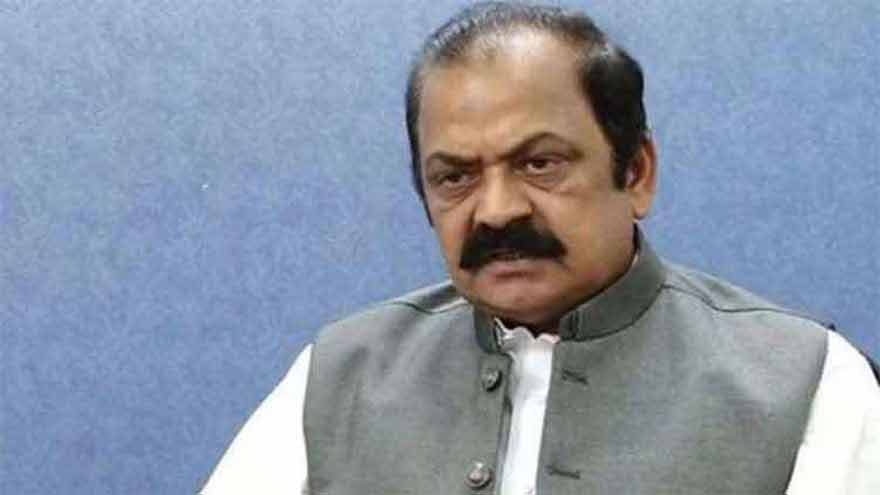
Summary Speaking to media in Faisalabad, PML-N leader said the government was making efforts to develop consensus on all major national issues
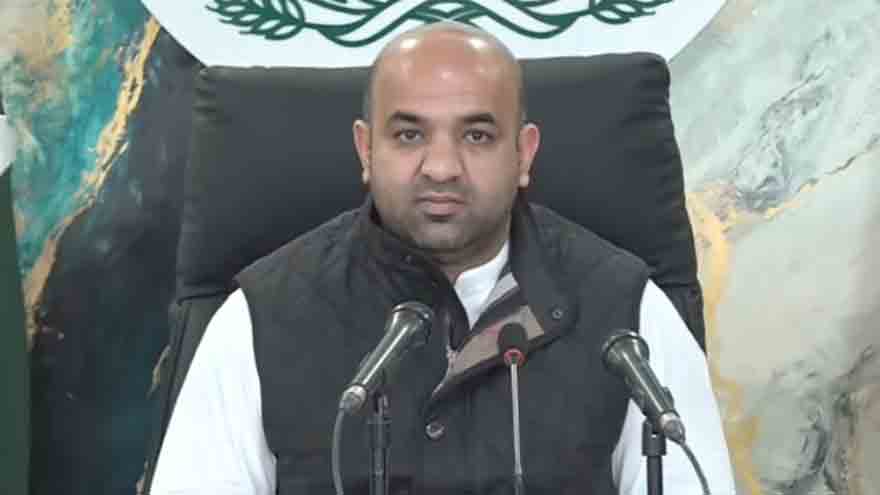
FAISALABAD (Dunya News) - Prime Minister’s Adviser on Political Affairs Rana Sanaullah has said that the Pakistan Peoples Party (PPP) supports the creation of South Punjab province but opposes the division of Sindh, stressing that any decision concerning the creation of new provinces should be taken through parliamentary consensus.
Speaking to media in Faisalabad on Sunday, Rana Sanaullah said the government was making efforts to develop consensus on all major national issues.
He called for a parliamentary debate on the question of new provinces, saying that all political parties should be given an opportunity to present their positions before a common stance is developed.
He said a referendum essentially meant seeking guidance from the public and that there was nothing wrong with consulting the people on important national matters. However, he maintained that the decision to hold a referendum should itself be made through consensus.
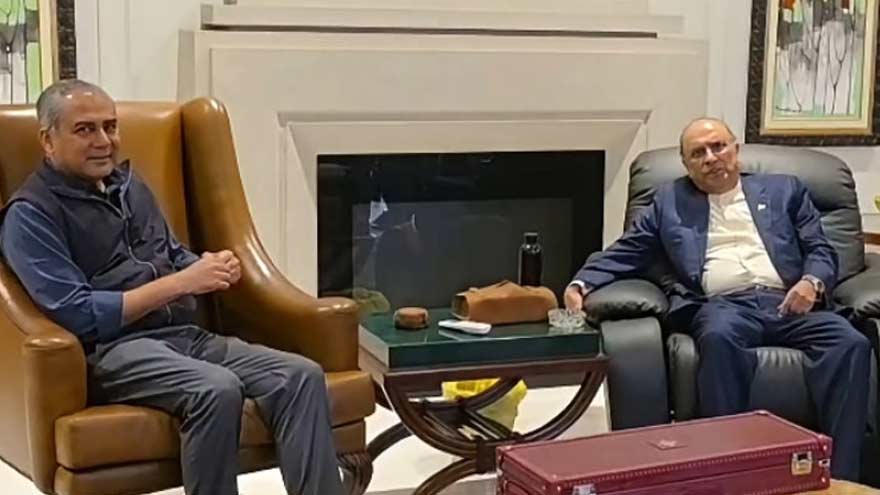
Also Read: Zardari, Naqvi discuss creation of new provinces, administrative restructuring
“Decisions reached through consensus are sustainable,” he said, adding that dialogue was the only way to resolve the country's outstanding issues.
He acknowledged that Jamiat Ulema-e-Islam (JUI-F) chief Maulana Fazlur Rehman was a senior political leader but termed his remarks concerning martyrs inappropriate.
Rana Sanaullah said former federal minister Khawaja Saad Rafique was entitled to his own views and regularly expressed his opinions within the party.
He dismissed rumours that Rafique was forming a separate political faction or party.
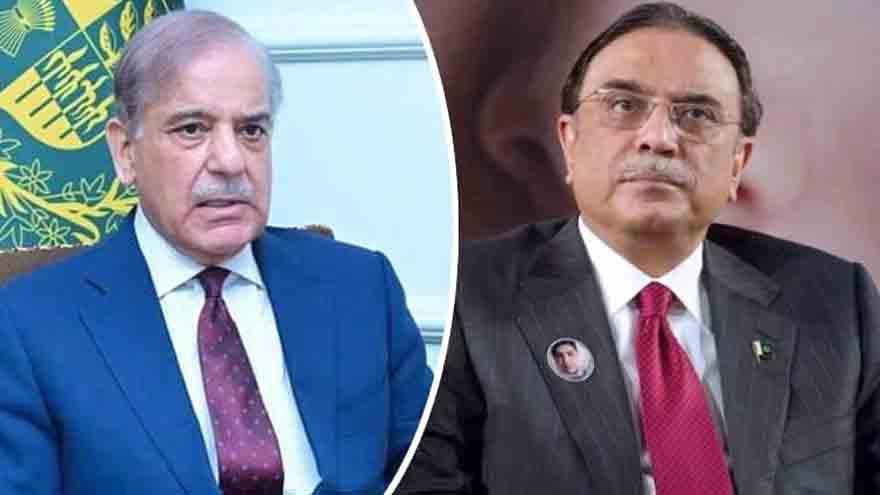
Sanaullah further said that former prime minister Nawaz Sharif and Prime Minister Shehbaz Sharif were making efforts to ensure that decisions on national matters were reached through mutual consultation and consensus.