Summary PM Shehbaz urged converting diplomatic successes into economic gains, highlighting population control, tax reforms, mineral development, exports and youth empowerment.
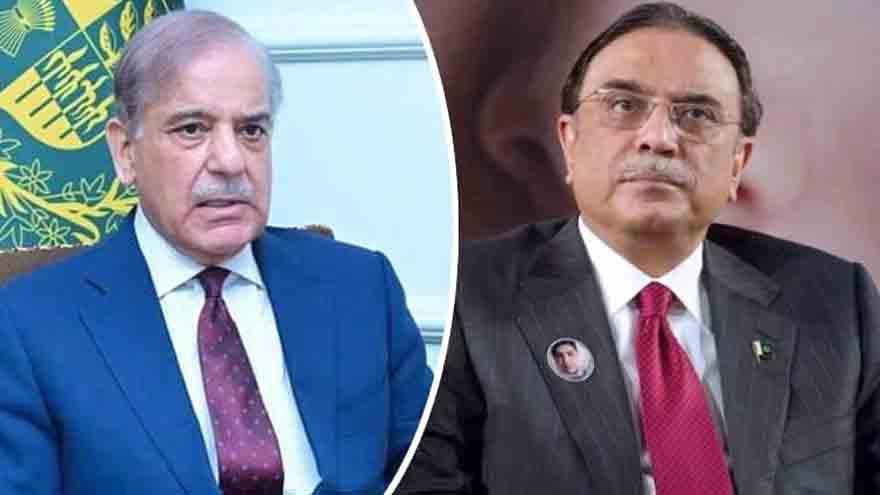
ISLAMABAD (Dunya News) - Prime Minister Shehbaz Sharif has said the time has come to translate Pakistan’s diplomatic and military achievements into tangible economic benefits, maintaining that the government has taken difficult decisions and introduced structural reforms to steer the economy away from instability.
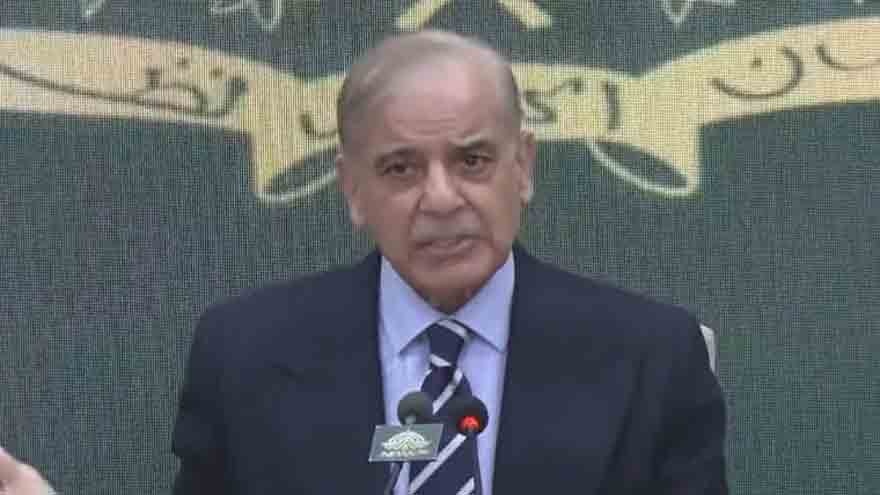
Addressing a National Security Workshop, the prime minister described the country’s rapidly growing population as a ticking time bomb, warning that urgent and difficult decisions were needed to control population growth.
He said an apex committee meeting would soon be convened to discuss measures to address the challenge, similar to the tough decisions taken to introduce economic reforms. Otherwise, he warned, the country could face serious difficulties in meeting its basic needs.
The prime minister said the government had established a task force under the supervision of Dr Shabana, with the health minister also included in the body. He added that he himself was heading the task force, which would function as an apex body to oversee population-related initiatives.
Illegal Gold Mining Banned in Khyber Pakhtunkhwa
Referring to governance and mineral sector reforms, Prime Minister Shehbaz Sharif said illegal gold mining in Khyber Pakhtunkhwa had been completely stopped.
He said the government's objective was to develop the mining sector, establish manufacturing and processing facilities, and export value-added mineral products rather than raw materials.
The government, he added, had prepared a comprehensive plan to promote value addition in the minerals sector. Mining companies would be required to establish smelters within the stipulated timeframes under their agreements, while the government would ensure full implementation of its mineral value-addition policy.
The prime minister also said the federal government had provided Rs28 billion in subsidies during the initial weeks of a crisis, while Rs50 billion had been spent on fuel subsidies.
He stressed that national objectives could only be achieved through teamwork and partnerships, adding that national dialogue and consensus would further strengthen cooperation between the federal and provincial governments.
Pakistan Played Key Role in Iran-US Talks
Earlier, addressing participants of the workshop, the prime minister described bringing Iran and the United States to the negotiating table in Islamabad after 47 years as an extraordinary diplomatic achievement for Pakistan.
He said Pakistan was continuing sincere and serious efforts to promote peace and stability in the region.
Shehbaz Sharif acknowledged the efforts of Field Marshal Syed Asim Munir and Deputy Prime Minister and Foreign Minister Ishaq Dar in facilitating the negotiations between the two countries.
He said their tireless efforts for regional peace had helped bring the two sides together, resulting in the signing of an Islamabad Memorandum of Understanding.
FBR Reforms Help Curb Tax Evasion
Discussing economic performance, the prime minister said widespread tax evasion had long persisted within the Federal Board of Revenue (FBR), particularly in indirect taxation, including sales tax.
He said the government had advanced long-delayed reforms over the past two and a half years to improve tax collection and strengthen accountability.
According to the prime minister, the implementation of reforms during the fiscal year 2025-26 resulted in the recovery of a record Rs900 billion through measures aimed at preventing tax evasion and corruption.
He described the achievement as a major breakthrough, claiming that corrupt elements had been removed from the FBR for the first time.
The prime minister said Pakistan's GDP growth rate was projected to reach 3.5 per cent this year, but stressed that the country needed to raise it to at least six per cent as soon as possible.
He also claimed that the country's foreign exchange reserves were possibly at their highest level in Pakistan's history, adding that sustained hard work, honesty and integrity were essential for the country to progress with dignity and self-respect.
Shehbaz Sharif said Pakistan's exports had increased by eight per cent during the first quarter of the current fiscal year, although further growth was necessary.
He added that the country's IT exports had reached $4.6 billion, compared with approximately $1.5 billion three years ago.
Agriculture and Youth Employment among Key Priorities
The prime minister described agriculture as the backbone of Pakistan's economy, observing that the sector had not received the attention it deserved over the past 80 years.
He stressed the need to modernise agriculture and said Pakistan had considerable untapped potential in the livestock sector as well.
He noted that the country was blessed with talented people, hardworking farmers, fertile land, mountains and abundant water resources, but emphasized that these assets could only translate into prosperity through hard work and effective utilization.
Highlighting the importance of the younger generation, the prime minister said Pakistan's youth represented both a challenge and a major opportunity for the country.
He stressed that young people needed access to modern technology, technology-based education and productive employment, adding that a substantial number of job opportunities would have to be created for them in the coming years.
PM Calls for Investment in Skills and Modern Education
Shehbaz Sharif said the government must equip young people with professional skills and provide them with the resources needed to contribute to national development.
He identified information technology, artificial intelligence, vocational education and skills training as key areas for preparing the younger generation for future opportunities.
The federal government, he said, was working alongside provincial administrations to improve education and professional training facilities for young people.
The prime minister pointed out that approximately 60 per cent of Pakistan's population comprised young people, adding that the country could not become economically self-reliant without empowering this segment of society.
He further observed that educating and equipping the younger generation with modern knowledge could prove to be an even more valuable national asset than the mineral resources hidden in the country's mountains.
Concluding his address, the prime minister quoted verses from Allama Muhammad Iqbal, emphasising that progress was driven by new ideas and modern thinking, while hard work, honesty and integrity remained fundamental to national development.