Summary Pakistan intensifies diplomatic efforts as possible Iran-US talks face uncertainty amid Tehran’s strong reservations over Washington’s intent.
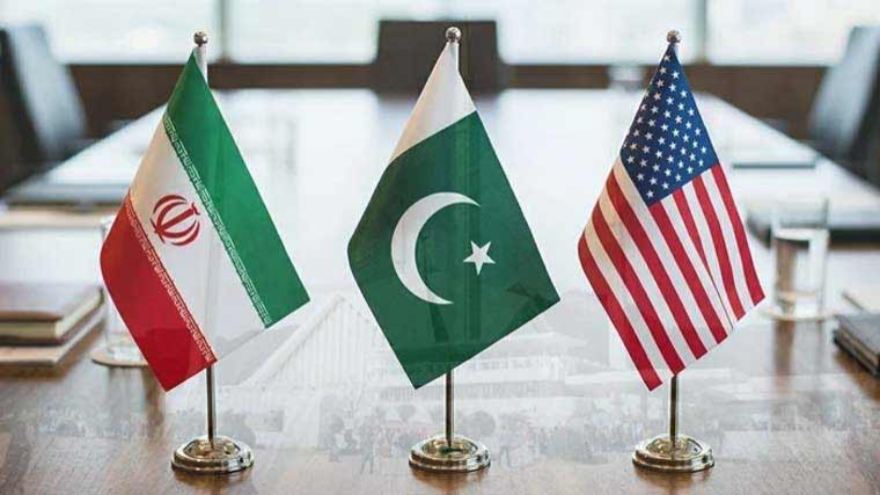
ISLAMABAD (Dunya News) – Pakistan has accelerated diplomatic efforts to facilitate a second round of talks between Iran and the United States, with developments pointing to both progress and uncertainty as positions from Tehran remain cautious.
According to sources, preparations for the next phase of negotiations have largely been finalised, with both sides initially showing willingness to engage on Pakistani soil. Islamabad has been in active contact with the two countries in a bid to bring them to the table, positioning itself as a key intermediary in efforts aimed at reducing tensions.
A United States delegation is expected to arrive in Pakistan, with officials indicating that logistical arrangements for discussions have been put in place. The anticipated arrival is being seen as a step forward in reviving diplomatic engagement between the two long-standing adversaries. Meanwhile, an Iranian delegation was also expected to travel to Pakistan in the near future, signalling the possibility of parallel diplomatic activity.
However, statements from Tehran have introduced a note of caution into the evolving situation. Iran’s Foreign Ministry spokesperson Esmaeil Baghae has publicly expressed scepticism over the prospect of renewed negotiations with Washington, citing a lack of trust and concerns over the United States’ commitment to diplomacy.
No plans to participate in second round of talks with US: Iran's Foreign Ministry
Speaking at a press briefing, Baghaei stated that Iran does not consider the United States a reliable negotiating partner, emphasising that Tehran would continue to safeguard its national interests. He pointed to what he described as a pattern of behaviour by Washington that undermines diplomatic processes, asserting that recent actions have demonstrated a lack of seriousness in advancing dialogue.
The spokesperson also referenced what he termed as aggressive measures and alleged violations of ceasefire understandings, reinforcing Iran’s position that conditions are not conducive for talks at present. He noted that, under the current circumstances, there is no intention for Iran to participate in negotiations or dispatch a delegation to Pakistan.
Baghaei further linked broader regional dynamics to Iran’s stance, highlighting developments related to ceasefire arrangements in Lebanon. He said that previous decisions, including the reopening of the Strait of Hormuz, were tied to understandings linked to regional ceasefires. According to him, Iran has observed multiple instances of what it views as bad faith by the United States in this context, raising further doubts about Washington’s commitment to de-escalation efforts.
Despite these reservations, Pakistan continues to pursue diplomatic engagement with both sides, maintaining communication channels and working to create conditions that could support dialogue.