Updated on
Summary The move comes at a time of heightened tension between Israel and Iran.
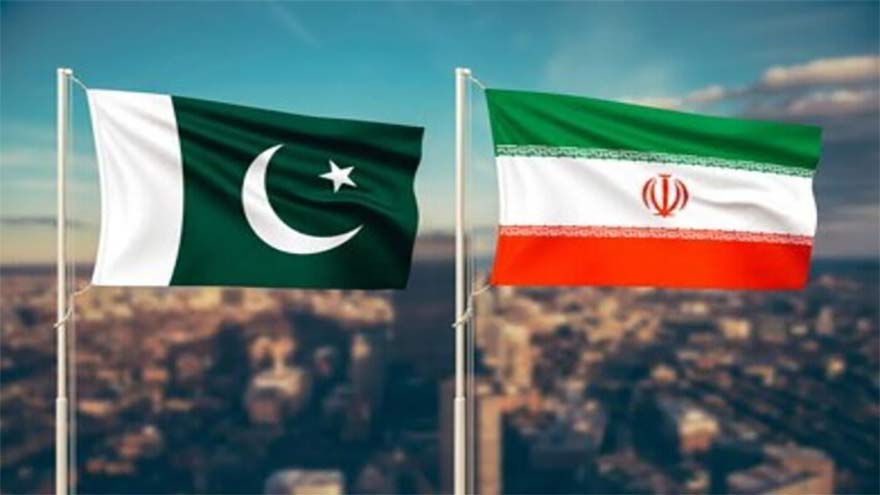
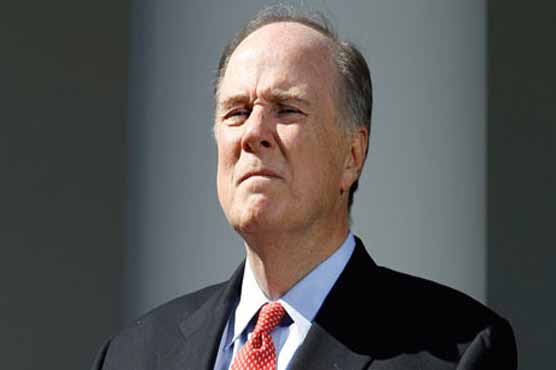
US National Security Advisor Tom Donilon will travel to Israel on Saturday for talks with senior Israeli officials on a range of issues, including Iran and Syria, the White House announced.The announcement came as US Secretary of State Hillary Clinton and EU foreign policy chief Catherine Ashton voiced cautious optimism about the prospect for Iran to return to nuclear talks with six world powers.The top White House aides visit is the latest in a series of regular, high-level consultations between the United States and Israel, consistent with our strong bilateral partnership, and part of our unshakable commitment to Israels security, a White House statement said.The move comes at a time of heightened tension between Israel and Iran, in the wake of attacks on Israeli diplomats blamed on agents of Tehran.The visit comes ahead of a visit to Washington by Israeli Prime Minister Benjamin Netanyahu for White House talks with Obama in early March, where the leaders are likely to focus on Iran and the failure to find a deal on resuming direct talks between Israeli and Palestinian negotiators.Meanwhile, during a press conference in Washington with Ashton, Clinton called a letter that the European Unions top diplomat had received from Iran an important step after a year-long hiatus in negotiations and sharp tension.There is a potential possibility that Iran may be ready to start talks. Well continue to discuss and make sure that what were looking at is substantive, Ashton said at a press conference with Clinton.But Im cautious and optimistic at the same time for this, she added as US officials have suggested that the economic bite of sanctions may be pressing Iran to return to the negotiating table.In a February 14 letter to Ashton, Irans chief nuclear negotiator Saeed Jalili said Tehran is ready to resume stalled nuclear talks at the earliest opportunity as long as the six powers respect its right to peaceful atomic energy.Ashton represents the permanent five UN Security Council members -- the United States, Russia, China, France and Britain -- plus Germany in talks with Iran.Ashton had written in her letter to Jalili in October that a solution was possible only if the talks focused on addressing Western concerns over the nature of Irans nuclear program.Clinton, while stressing the six powers needed more time to study the brief letter, noted some positive signs.I think its fair to say... that we think that this is an important step and we welcome the letter, the chief US diplomat said.As outlined in Cathys October letter to Iran, any conversation with Iran has to begin with a discussion of its nuclear program and Irans response to Cathys letter does appear to acknowledge and accept that, Clinton said.Jalili wrote that Iran welcomed a statement in the letter respecting Islamic Republic of Irans right to the peaceful use of nuclear energy consistent with the NPT (nuclear non-proliferation treaty).No doubt that by committing to this approach, our talks for cooperation based on step by step principles and reciprocity on Irans nuclear issue could be commenced, Jalili wrote.Ashton acknowledged that the letter contained no preconditions and a recognition of what well be talking about.Clinton spokeswoman Victoria Nuland cautioned against any more false starts in negotiations with the Iranians.Weve had negotiations that started and fizzled, or negotiations that ate up a lot of time and didnt go where they needed to go to reassure the international community, Nuland told reporters.The last round of talks collapsed in Turkey in January 2011.The next question, really, is to look at then where we left off in Istanbul, Ashton said, recalling that the powers had outlined confidence-building steps such as ensuring freer movement for inspectors.The United States and other Western powers suspect that Iran is seeking to build a nuclear bomb, but Tehran denies the charge, insisting its atomic program is for purely peaceful purposes.In a dual-track strategy, the six powers have offered Iran economic and diplomatic incentives to engage in negotiations to stop uranium enrichment work or pushed for imposing biting sanctions when they refuse.