Summary Khamenei said Pezeshkian had accepted responsibility for ensuring the agreement protected Iran's interests
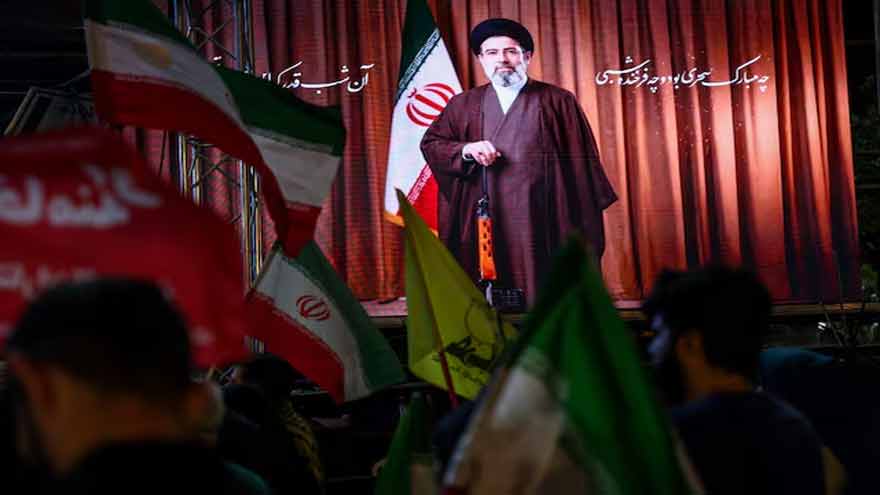
TEHRAN (Reuters) - Iran's Supreme Leader Mojtaba Khamenei said on Thursday he had authorised a memorandum of understanding signed by the Iranian and US presidents, despite holding a different view, after receiving assurances from President Masoud Pezeshkian and other senior officials that Iran's rights and the interests of the "Resistance Front" would be safeguarded.
In a written message to the Iranian nation, Khamenei said Pezeshkian, in his capacity as head of the Supreme National Security Council, had accepted responsibility for ensuring the agreement protected Iran's interests and pledged not to yield if Washington made what he described as excessive demands.
Also Read: President Pezeshkian hails US-Iran peace accord as historic agreement
Khamenei added that future face-to-face negotiations with the United States would not mean accepting "the enemy's position".
"Fundamentally, I had a different view," Khamenei said. "But given the commitment of the respected president and other responsible officials, and their acceptance of responsibility, I gave my permission."
The Iranian leader added that President Pezeshkian had assured him Tehran would not accept excessive demands from Washington during the negotiations, a reference widely seen as concerns over Iran's missile programme and other security-related issues.
Khamenei stressed that Iran's support for the agreement should not be interpreted as a shift in its broader stance toward the United States. He said Tehran would now judge the deal by whether the conditions agreed upon are implemented in practice.
"From this moment onward, we, the great Iranian nation, will wait for the fulfillment of those conditions," he said.
He also underscored that any future direct talks with Washington would not amount to accepting the position of what he described as Iran's adversary, reaffirming Tehran's long-standing policy of negotiating from a position of independence while resisting external pressure.
The remarks highlight the cautious backing the agreement has received from Iran's highest authority, whose approval was considered essential for finalizing the deal despite lingering skepticism within sections of the Iranian political establishment.