Summary Donald Trump said the US will retrieve Iran’s enriched uranium stockpile as Tehran hardens its position during efforts to secure a peace deal
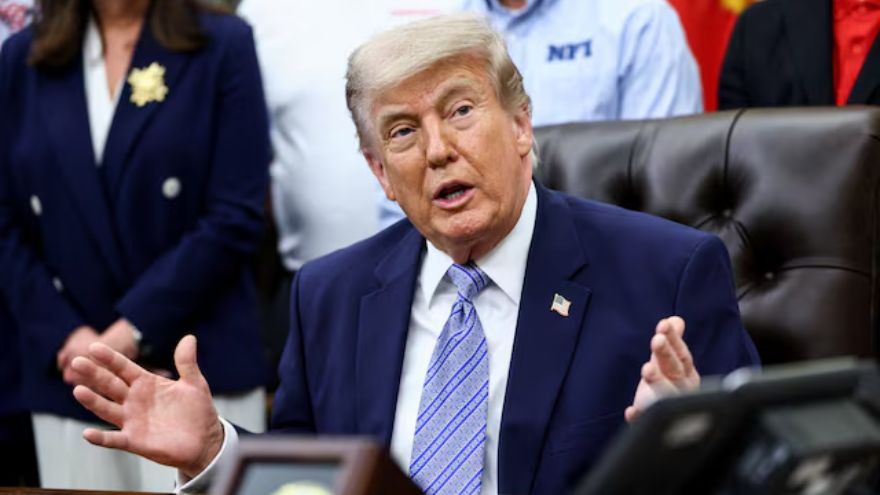
WASHINGTON (Reuters) – President Donald Trump said on Thursday that the United States would eventually recover Iran's stockpile of highly enriched uranium despite Tehran signalling it would not hand over the material.
"We will get it. We don't need it, we don't want it. We'll probably destroy it after we get it, but we're not going to let them have it," Trump told reporters at the White House.
Trump also said the United States does not want tolls on the Strait of Hormuz and reiterated that recovering Iran’s highly enriched uranium remained a central objective.
Iran is believed to possess about 900 pounds of highly enriched uranium, which Trump says was buried by US and Israeli airstrikes nearly a year ago. Retrieving the uranium forms a key part of Trump's objective that Tehran should not be allowed to develop a nuclear weapon.
Iran’s Supreme Leader has issued a directive that the country’s near-weapons-grade uranium should not be sent abroad, according to two senior Iranian sources, further hardening Tehran’s position on one of Washington’s main demands in peace talks.
The order by Ayatollah Mojtaba Khamenei could complicate negotiations aimed at ending the US-Israeli conflict with Iran.
Iranian Supreme Leader Khamenei rejects uranium transfer proposal
Israeli officials told Reuters that Trump had assured Israel that Iran’s stockpile of highly enriched uranium, needed to produce an atomic weapon, would be removed from Iran and that any peace agreement should include a clause addressing this issue.
Israel, the United States and other Western nations have long accused Iran of seeking nuclear weapons, pointing to its enrichment of uranium to 60%, far beyond civilian requirements and closer to the 90% threshold generally associated with weapons-grade material. Iran denies pursuing nuclear arms.
Israeli Prime Minister Benjamin Netanyahu has repeatedly said the conflict cannot end until enriched uranium is removed from Iran, Tehran halts support for proxy militias, and its ballistic missile capabilities are dismantled.
"The Supreme Leader’s directive, and the consensus within the establishment, is that the stockpile of enriched uranium should not leave the country," one Iranian source said, speaking anonymously due to the sensitivity of the matter.
Iranian officials believe transferring the material abroad could leave the country more vulnerable to future attacks by the United States and Israel. Khamenei retains the final say on major state matters.
When asked for comment, White House spokeswoman Olivia Wales said: "President Trump has been clear about the United States’ red lines and will only make a deal that puts the American people first."
Iran's foreign ministry did not immediately respond to requests for comment.
A fragile ceasefire remains in place following a conflict that began with US-Israeli strikes on Iran on February 28. Iran later launched attacks against Gulf states hosting US military bases, while clashes also erupted between Israel and Iran-backed Hezbollah in Lebanon.
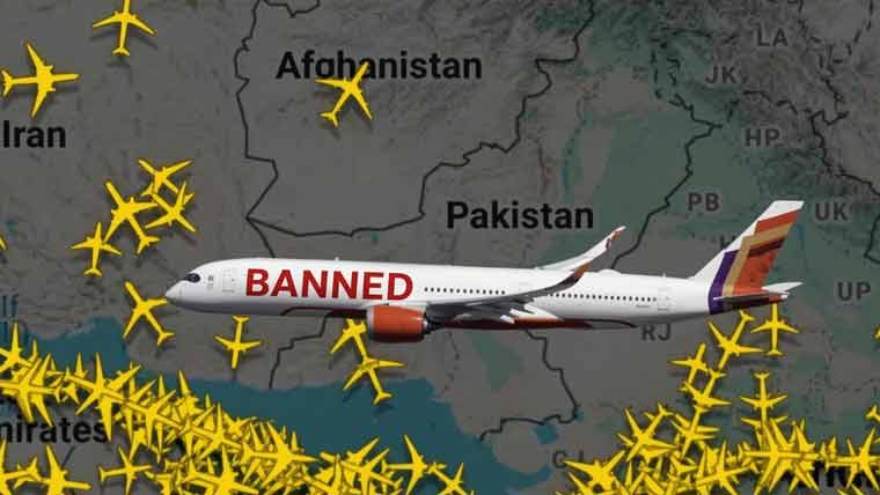
However, peace efforts have shown limited progress, with a US blockade of Iranian ports and Tehran’s influence over the Strait of Hormuz continuing to complicate Pakistan-mediated negotiations.
The Iranian sources said there remains deep suspicion among officials that the pause in fighting could be a tactical move by Washington before launching further strikes.
Iran’s chief negotiator, Mohammad Baqer Qalibaf, said on Wednesday that "obvious and hidden moves by the enemy" suggested the Americans were preparing new attacks.
Trump said on Wednesday that Washington remained prepared to conduct additional strikes on Tehran if Iran rejected a peace deal, although he suggested the US could wait several days to "get the right answers."
UAE slams Iran's Strait of Hormuz control plan as 'pipe dream'
While sources said some gaps had narrowed, major disagreements persist over Iran’s nuclear programme, particularly the future of its uranium stockpile and Tehran’s insistence on retaining enrichment rights.
Before the conflict, Iran had indicated a willingness to send abroad half of its uranium enriched to 60%, but sources said that position shifted following repeated military threats from Trump.
One Iranian source said possible solutions still existed, including diluting the stockpile under supervision by the International Atomic Energy Agency.
The agency estimates Iran possessed 440.9kg of uranium enriched to 60% when Israeli and US forces struck Iranian nuclear facilities in June 2025. The current status of that stockpile remains uncertain.
IAEA chief Rafael Grossi said in March that much of the remaining material was believed to be stored within a tunnel complex at Iran’s Isfahan nuclear facility, while additional material may be located at the Natanz nuclear complex.
Iran maintains that some highly enriched uranium is needed for medical applications and for a research reactor in Tehran operating with uranium enriched to around 20 percent.