Summary US President Donald Trump claims the Strait of Hormuz is being “permanently opened” as US-Iran talks continue and maritime blockade disrupts Iranian shipping.
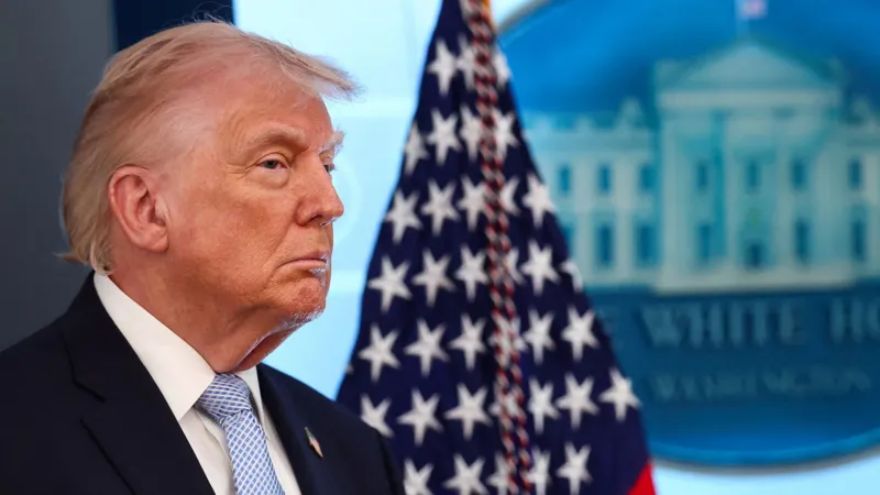
WASHINGTON (Web Desk/Reuters) – US President Donald Trump said China was “very happy” about the “permanent opening” of the Strait of Hormuz, claiming the move was being made for China and the world.
He also asserted that the situation would never happen again, in a post on Truth Social that also referenced developments in talks with Iran and China.
In the same post, Trump said China had agreed not to send weapons to Iran and claimed coordination with Chinese President Xi Jinping ahead of an upcoming visit, adding that leaders would “work together smartly” and that cooperation was preferable to conflict. The White House did not immediately provide verification of the claims.
Trump also said he expected a positive reception from President Xi Jinping during an upcoming meeting, while reiterating that the United States remained prepared for military action if required, describing US capabilities as unmatched if conflict escalated.
The comments came as Trump separately said the Iran conflict could end soon, with “amazing two days ahead” expected, even as US forces maintained a maritime blockade that has disrupted shipping linked to Iranian ports.
Vice President JD Vance, who led US negotiations that ended on Sunday without a breakthrough, said he remained cautiously optimistic about the direction of talks, though significant mistrust remained between Washington and Tehran.
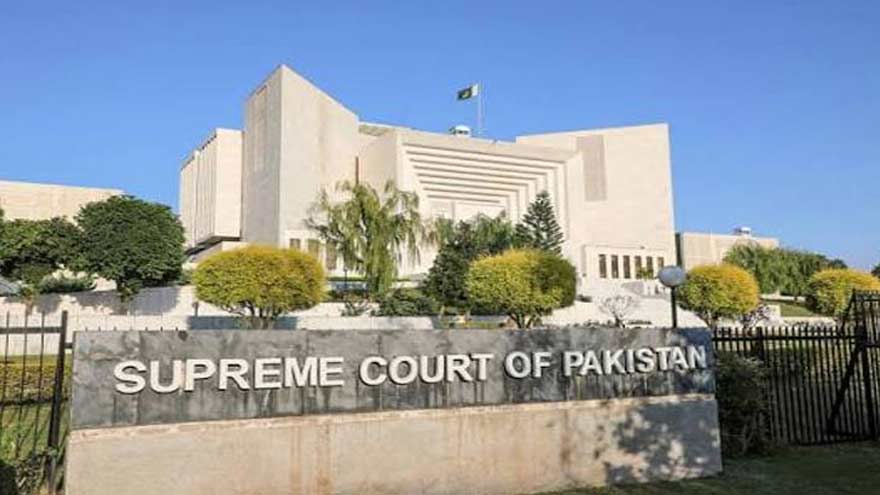
Officials from Pakistan, Iran and Gulf states said negotiators from the US and Iran could return to Islamabad later this week for further discussions, with Pakistan playing a mediating role. Iran’s foreign ministry said a Pakistani delegation was expected to carry messages between the two sides.
The latest round of talks ended without agreement, despite continued diplomatic efforts focused on Iran’s nuclear programme and regional security arrangements. The breakdown followed weeks of heightened tensions linked to the wider conflict involving Israel and Iran-backed Hezbollah in Lebanon.
Oil markets reacted to the developments, with prices recovering to around $96 per barrel after earlier declines, following confirmation that the US blockade had significantly disrupted maritime trade out of Iran.
Tankers intercepted
US military officials said vessels were being turned back under the blockade, including the US-sanctioned, Chinese-owned tanker Rich Starry, which was reportedly forced to reverse course in the Strait of Hormuz.
Eight Iran-linked oil tankers have reportedly been intercepted since the blockade began on Monday, according to media reports, while a US destroyer stopped two tankers attempting to leave the Iranian port of Chabahar.
Iranian state-linked media said at least one sanctioned supertanker had moved towards Iranian waters despite restrictions, though details of its voyage were not independently confirmed.
Iran’s joint military command warned it would target maritime trade routes in the Gulf, Sea of Oman and Red Sea if the blockade continued, raising concerns over broader disruption to global shipping lanes.
Iranian outlets also said alternative ports were being prepared to bypass restrictions, while shipping sources suggested that commercial maritime traffic had not completely halted.
Return to Islamabad
Trump told the New York Post that negotiators were likely to return to Pakistan, crediting Pakistan’s army chief Field Marshal Asim Munir for helping facilitate discussions.
Vice President Vance said the administration was seeking a “grand bargain” with Iran, but acknowledged deep mistrust and unresolved differences.
A major sticking point remains Iran’s nuclear programme, with the US proposing a 20-year suspension of enrichment activities, while Iranian negotiators have suggested a shorter pause of three to five years.
International Atomic Energy Agency Director General Rafael Grossi said any agreement on uranium enrichment would ultimately be a political decision, adding that Iran could consider a compromise as a confidence-building measure.
Washington continues to demand removal of enriched nuclear material from Iran, while Tehran is insisting on sanctions relief as part of any potential deal.
Iran’s foreign ministry said exchanges of messages with Washington were ongoing, while sources involved in the talks said back-channel negotiations had made some progress in narrowing differences.
Israeli strikes on Lebanon continued alongside diplomatic efforts, with the US and Israel maintaining that the campaign against Hezbollah is separate from ceasefire discussions, a position Iran disputes.
Fallout of the war
The conflict has effectively restricted movement through the Strait of Hormuz, a key global oil and gas shipping route, reducing exports from the Gulf and raising concerns among major energy importers.
The US is also expected to allow a 30-day sanctions waiver on Iranian oil at sea to expire this week, potentially tightening global supply further.
An estimated 5,000 people have been killed in the conflict, including about 3,000 in Iran and 2,000 in Lebanon, according to official figures cited. Iranian provincial authorities said many of those killed were civilians, including students, teachers and academics.