Summary Iran has effectively shut down the Strait of Hormuz in retaliation for US-Israeli strikes that began in late February
WASHINGTON (Reuters) - President Donald Trump on Friday said the US can open the Strait of Hormuz with a little more time, as pressure mounts for his administration to find a quick resolution to a war against Iran.
"With a little more time, we can easily OPEN THE HORMUZ STRAIT, TAKE THE OIL,& MAKE A FORTUNE," Trump said in a post on Truth Social.
Nearly five weeks after it started with a joint US-Israeli aerial assault, the war in Iran continues to spread chaos across the region and roil financial markets, raising the pressure on Trump to find a quick resolution to the conflict.
Iran has effectively shut down the Strait of Hormuz , a key waterway that carries about a fifth of the world's total oil consumption, in retaliation for US-Israeli strikes that began in late February.
Reopening it has become a priority for governments around the world as energy prices soar.
In the speech on Wednesday night, Trump repeated his threats against Iran's civilian power plants and gave no clear timeline for ending hostilities, drawing vows of retaliation from Iran and depressing share prices.
Also Read: Trump's anger over Iran thrusts NATO into fresh crisis
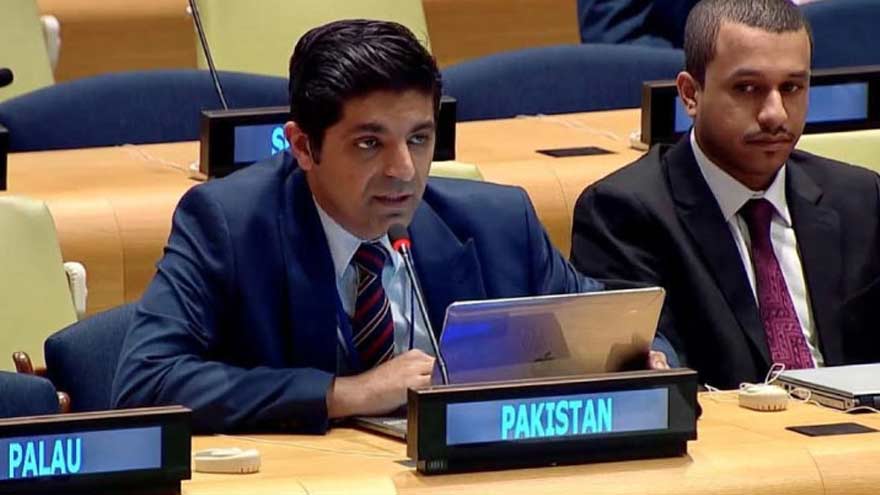
Meanwhile, the UN Security Council is to vote on a Bahraini resolution to protect commercial shipping in and around the Strait of Hormuz, diplomats said on Friday, but veto-wielding China made clear its opposition to authorizing any use of force.
Two diplomats said the meeting of the Council's 15 members and the vote were set for Saturday morning, rather than Friday as earlier planned. Friday is a UN holiday.
Diplomats said Bahrain, the current chair of the Security Council, finalized a draft resolution seen by Reuters that would authorize "all defensive means necessary" to protect commercial shipping.
Earlier on Thursday, Bahrain's Foreign Minister Abdullatif bin Rashid Al Zayani told the council that a vote would be held on Friday, "God willing", adding that Bahrain looked forward to a "unified position from this esteemed council."
Bahrain, backed in its efforts to secure a resolution by other Gulf Arab states and Washington, had previously dropped an explicit reference to binding enforcement in a bid to overcome objections from other nations, particularly Russia and China.
The draft seen by Reuters authorizes the measures "for a period of at least six months ... and until such time as the council decides otherwise."
However, in remarks to the Security Council on Thursday morning, China's UN envoy Fu Cong opposed authorizing force.
Such a move would be "legitimizing the unlawful and indiscriminate use of force, which would inevitably lead to further escalation of the situation and lead to serious consequences," he added.