Summary Taiwan is the first red line that must not be crossed in China-US relations and China brooks no external interference, Guo Jiakun, a spokesperson for the Chinese foreign ministry, told reporters
BEIJING (Reuters) – China on Monday pledged to defend its sovereignty and warned against "external interference" after the US unveiled a new security strategy aimed at building up military power to deter conflict with Beijing over Taiwan.
Washington laid out its approach to one of the world's most sensitive diplomatic issues in its official National Security Strategy released on Friday.
The document came as Beijing last week deployed a large number of naval and coast guard vessels across East Asian waters in its largest show of maritime force to date.
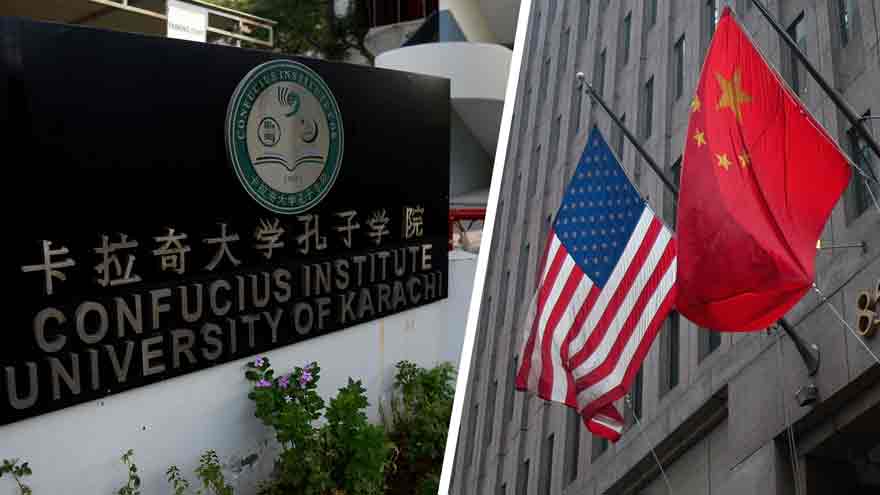
Taiwan is the first red line that must not be crossed in China-US relations and China brooks no external interference, Guo Jiakun, a spokesperson for the Chinese foreign ministry, told reporters in Beijing when asked about the document.
"The US side should ... handle the Taiwan question with the utmost prudence, and stop indulging and supporting 'Taiwan independence' separatist forces in seeking independence by force or resisting reunification by force," he said.
Guo added that China was willing to work with Washington to promote stable ties while safeguarding its sovereignty, security and development interests.
China, which views democratically governed Taiwan as its own territory, has never renounced the use of force to take control of the island. Taiwan's government rejects Beijing's sovereignty claims.
The new US document has been warmly welcomed in Taiwan, whose President Lai Ching-te wrote on X on Saturday: "Greatly appreciate that the US National Security Strategy prioritizes deterring a conflict over Taiwan".
Taiwan Defence Minister Wellington Koo told reporters on the same day that the United States still regards maintaining peace and stability in the region as its highest core interest.
"The United States is vigorously promoting that the countries in the Indo-Pacific region work together to establish an effective form of collective deterrence," he said.
"We in Taiwan must also strengthen our self-defence capabilities."
Lai has said Taiwan aims to spend 5% of its GDP on defence by 2030 and last month unveiled $40 billion in extra defence spending to run from 2026-2033.