Updated on
Summary The Obama administration warned Iran not to block shipping.
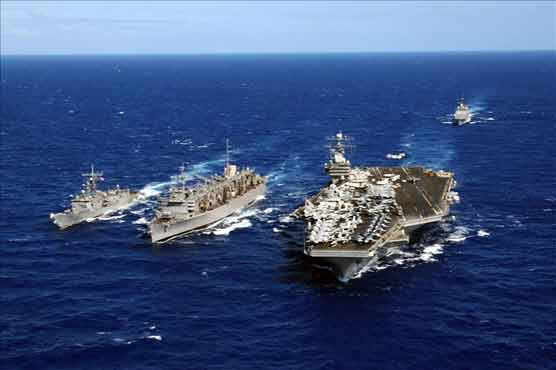
The US warned Iran through public and private channels against any action that threatens the flow of oil from the Persian Gulf.Spokesmen were vague on what the United States would do about Irans threat to block the strategic Strait of Hormuz, but military officials have been clear that the U.S. is readying for a possible naval clash.That prospect is the latest flashpoint with Iran, and one of the most serious. Although it currently overshadows the threat of war over Irans disputed nuclear program, perhaps beginning with an Israeli military strike on Irans nuclear structure, both simmering crises raise the possibility of a shooting war this year.We have to make sure we are ready for any situation and have all options on the table, Defense Secretary Leon Panetta said, addressing a soldiers question Thursday about the overall risk of war with Iran.For several reasons, the risk of open conflict with Tehran appears higher in this election year than at any point since President Barack Obama took office with a pledge to try to bridge 30 years of enmity. A clash would represent a failure of U.S. policy on several fronts and vault now-dormant national security concerns into the presidential election contest.The U.S. still hopes that international pressure will persuade Iran to back down on its disputed nuclear program, but the Islamic regime shows no sign it would willingly give up a project that has become a point of national pride. A bomb, or the ability to quickly make one, could also be worth much more to Iran as a bargaining chip down the road.Time is short, with Iran making several leaps toward the ability to manufacture a weapon if it should choose to do so. Iran claims its nuclear development is intended for the peaceful production of nuclear energy. Meanwhile, several longstanding assumptions about U.S. influence and the value of a targeted strike to stymie Irans progress toward a nuclear weapon have changed. For one, the White House is no longer confident it could prevail on Israel not to launch such a strike.An escalating covert campaign of sabotage and targeted assassinations highlighted by this weeks killing of an Iranian nuclear scientist may not be enough to head off a larger shooting war, and could prod Iran to strike first.The brazen killing of a young scientist by motorcycle-riding bombers is almost surely the work of Israel, according to U.S. and other officials speaking on condition of anonymity to discuss intelligence matters. The killing on a Tehran street followed the deaths of several other Iranians involved in the nuclear program, a mysterious explosion at an Iranian nuclear site that may have been sabotage and the apparent targeting of the program with an efficient computer virus.Iranian officials accuse both Israel and the U.S. of carrying out the assassination as part of a secret operation to stop Irans nuclear program. The killing came a day after Israeli military chief Lt. Gen. Benny Gantz was quoted as telling a parliamentary panel that 2012 would be a critical year for Iran, in part because of things that happen to it unnaturally.Secretary of State Hillary Rodham Clinton and Panetta made a point of publicly denying any U.S. involvement, but the administration tied itself in knots this week over how far to go in condemning an action that could further the U.S. goal of stalling Iranian nuclear progress.The U.S. position remains that a military strike on Irans known nuclear facilities is undesirable because it would have unintended consequences and would probably only stall, not end, the Iranian nuclear drive. That has been the consensus view among military leaders and policymakers for roughly five years, spanning a Republican and Democratic administration.The strained relationship between Obama and Israeli Prime Minister Benjamin Netanyahu plays a role, as does the rise in influence of conservative political parties in Israel. U.S. officials have concluded that Israel will go its own way on Iran, despite U.S. objections, and may not give the U.S. much notice if it should decide to launch a strike, U.S. and other officials said. The officials spoke on condition of anonymity to discuss sensitive diplomacy.The Obama administration worries that Irans claim this week that it is expanding nuclear operations with more advanced equipment may push Israel closer to a strike.Obama last month approved new sanctions against Iran that would target its central bank and its ability to sell petroleum abroad. The U.S. has delayed implementing the sanctions for at least six months, worried about sending the price of oil higher at a time when the global economy is struggling.