Updated on
Summary The toll could range from $122 billion to $235 billion, or 2.5 to 4 percent of GDP.
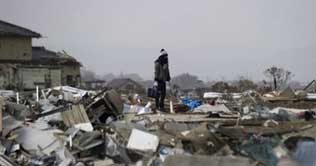
Inflation remains a major challenge and tighter monetary policies are needed across East Asia, the World Bank said on Monday, as it downplayed risks to regional growth from the devastating earthquake in Japan.In a semi-annual East Asia and Pacific Economic Update, the World Bank nudged up its 2011 growth forecasts, but said the big picture was that the fight against inflation would weigh on economies from China to Malaysia.While Japan would suffer short-term economic damage from the disaster earlier this month, its impact on the broader region was likely to be limited, it said in a supplementary note to its report.The World Bank did not offer its own forecast on the cost of Japans disaster, but cited private estimates that the toll could range from $122 billion to $235 billion, or 2.5 to 4 percent of gross domestic product (GDP).Still it said Japans experience of recovering from the 1995 Kobe earthquake bodes well for its ability to cope with the triple disaster of the earthquake, a massive tsunami and ensuing radiation leaks at several nuclear reactors.If history is any guide, real GDP growth will be negatively affected through mid-2011. Growth should pick up in subsequent quarters as reconstruction efforts, which could last five years, accelerate, the World Bank said.A temporary growth slowdown in Japan will have a modest short-term impact on the region, the Washington-based lender added, expressing a view held by many. But not everyone agrees.Speaking at a World Bank forum in Singapore, the city-states finance minister Tharman Shanmugaratnam said the quakes economic impact might be greater and longer-lasting because the threats posed by Japans damaged nuclear facilities would take months to resolve, affecting consumer and business confidence.