Updated on
Summary Mammograms has not saved as many lives as women thinks, according to a new research.
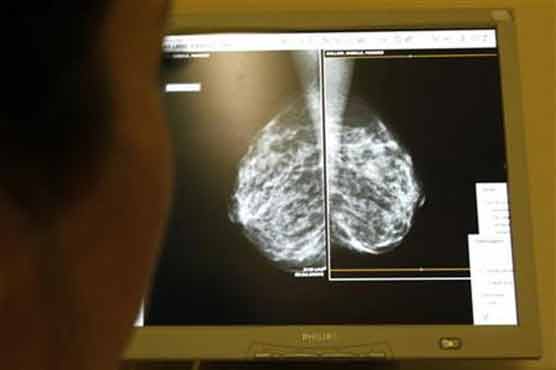
Many women who have survived breast cancer often say it was a mammogram that “saved their life,” a powerful testimonial that can encourage other women to get regular breast cancer screening tests. But what are the chances that the test actually saved a womans life? Not that great, according to a new analysis published in the Archives of Internal Medicine on Monday.The numbers suggest that at most, 13 percent of those diagnosed with breast cancer have been helped. That means the other 87 percent have not been helped, Dr. Gilbert Welch of Dartmouth College, who led the study, said in a telephone interview. That is important when we keep hearing these stories from breast cancer survivors, he said.Welch said women who tell their stories about surviving breast cancer can be a powerful inducement for other women to get tested for breast cancer, and as mammogram technology has improved, the chances are even greater that doctors will find something suspicious. But early detection for some women may not be much of a benefit, especially if a cancer is slow growing, Welch and colleagues say. And many women may be diagnosed and treated for a cancer growing so slowly it might never have caused any symptoms or threatened their lives.The findings add new fodder to the simmering debate over the benefits of screening healthy people for cancer. Earlier this month, the government-backed U.S. Preventive Services Task Force recommended that healthy men not get a common blood test for prostate cancer, causing an uproar among cancer specialists who fear more men will die from prostate cancer. And in 2009, the same group recommended that women under 40 not get a mammogram and that women 50 and older get the test only every other year, rather than yearly, causing an outcry from breast cancer advocacy groups.But screening tests have both benefits and risks, says Welch, who views the current debate as positive for patients who are starting to think more about the risks of screening.An earlier study by Welch found that routine screening for prostate cancer has resulted in as many as 1 million American men being diagnosed with tumors who might otherwise have suffered no ill effects from them.In the latest study, Welch and colleagues looked to see how much mammography reduces deaths from breast cancer.