Updated on
Summary
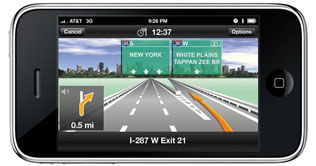
Over 20 years since the fall of the Berlin wall, it's back again. At least on the screens of modern smart phones equipped with a technology known as augmented reality or AR. Inspired by works of science fiction, this is an area that is now generating real attention. According to the New York-based research firm ABI, revenues from the burgeoning field are set to double annually reaching 350 million by 2014.Maarten Lens-Fitzgerald is the founder of Layar, an Amsterdam-based company that's one of the leading players in this field. Augmented reality in itself is a technology where literally any reality you see around you, you augment, you enhance with digital information. What we do with Layar is we use the phone and in the phone there's the camera which has the input of reality. You see that in the screen and overlaid on the put digital information and that is how we augment reality, he said. Layar is essentially a platform upon which any number of visions, or layars, can be built. In New York, there's a layar that shows a digital representation of the World Trade Center. In London, layar can take you on a magical augmented reality tour of Beatles landmarks. These are still early days for augmented reality, but Lens-Fitzgerald sees a lot of exciting work being done in this realm in the not too distant future. You can compare it to the web in 1994. One of main things that happened with the internet is it got bundled with Windows, with Internet Explorer in the 90s. That's the same thing we're doing with Samsung right now. We're pre-installing most Samsung Galaxies - one of the best selling phones of last year. That of course also helped with the web. Then slowly the concepts started to come that were only possible in that new medium. Amazon, Ebay - those powerful companies we cannot live without. Later also Facebook, said Lens-Fitzgerald. With Augmented Reality we're just at that threshold where those ideas, those powerful concepts that can only exist within the new medium of augmented reality are about to be born.So far, monetizing this vision is not yet a pressing priority but Layar's founder says he sees a future in which brands will pay for prominence through augmented reality, to give their brands a lift in the real world - however, the key to that model will be attracting a sizeable and loyal user base.