Summary Pakistan has become 8th country in the world, which is being affected by climate change.
Dunya News Report (Humaira Sajid)
ISLAMABAD – In a workshop held in the capital, focusing on localizing disaster-risk reduction global frameworks jointly organized by the Participatory Development Initiatives (PDI) and the Asian Disaster Risk Reduction Network (ADRRN) the experts criticized the government for keeping disaster management out of its ‘priority list’.
In Pakistan, climate change issues get the lowest priority, despite the country’s vulnerability to its devastating impacts. The PDI Director, Sikander Brohi, said that 82,802 people had lost their lives – the largest number of deaths in the region – as a result of different disasters in Pakistan from 2005 to 2014 while 49,784,339 people were affected during the same period.
“Disaster management systems at federal and provincial levels have failed in preventing or minimizing disaster losses due to overlapping of the roles and responsibilities, and low priority and low budget for disaster management in Pakistan,” he said.
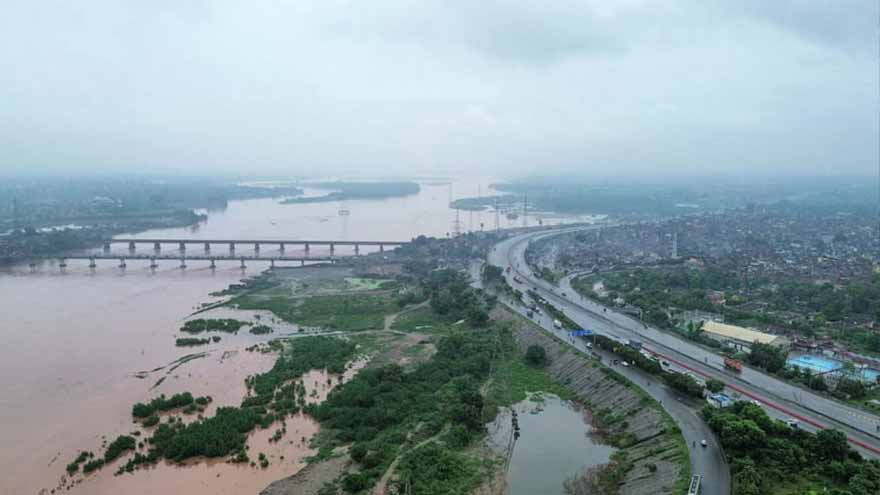
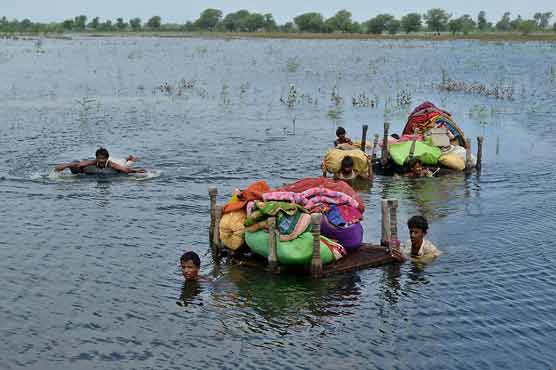
According to an update of National Disaster Management Authority, the fresh rain spell hovering over the county has increased the death toll in rain-related incidents to forty-nine in the first three days. The casualties occurred due to roof collapse and most of the incidents were reported from Baluchistan, Khyber Pakhtoonkhwa and FATA. After heavy rains people are terrified of the flood for which the warning has been issued by the Meteorological Department. The people of Katcha areas specifically, are more frightened about looming dangers for them. As per last year 2015, the floods damaged millions of trees, fields and livestock, causing hardships for the people and forced them to leave their homes from the low lying areas to upper areas.
The World Population Foundation (WPF) Country Representative, Qadeer Baig has said that disasters would increase in intensity, therefore the government and civil society should come up with strong disaster management efforts.
“Pakistan has achieved partial success in achieving sustainable development goals but there is still a lot to be done for its true implementation. The problem is economic disparity; either people have too much money or are unable to make ends meet,” he said.
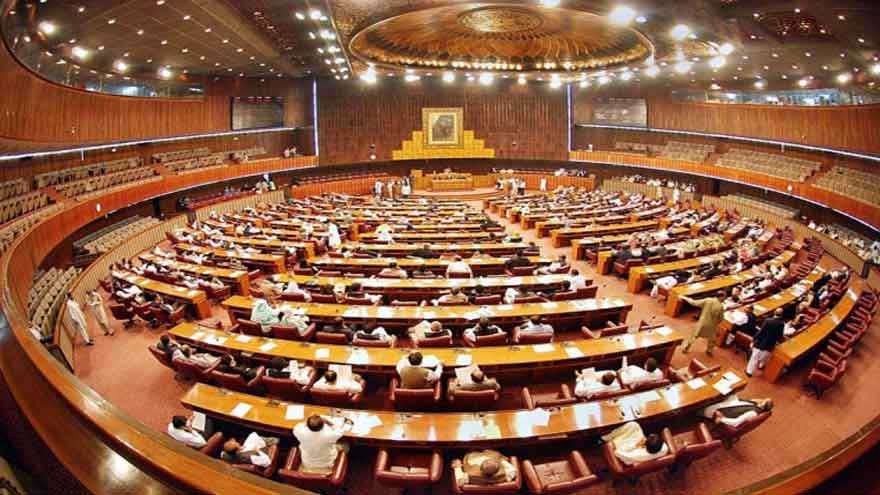
Pakistan has struggled to manage urgent crises, ranging from infrastructure woes to terrorism for decades. While its policies focus on short-term conventional threats, a potentially devastating danger lurks in the shadows: climate change. Federal Minister for Climate Change Zahid Hamid informed the National Assembly early on Monday that Pakistan has become 8th country in the world, which is highly affected by the climate change. Although it produces less than 0.5pc of global emissions, Pakistan faces greatest threats for its future and devastating effects of the climatic changes.
The horrifying calamity that struck Pakistan in 2010 and claimed 2,000 human lives while costing economic losses as much as 7pc of the GDP prove that climate change is the harsh reality of our times that hinders the development process as well. However, much like the government, the Pakistani public finds it difficult to prioritize climate change when the average citizen is deprived of life’s most basic necessities. In 2007-2008, a Gallup poll found that only 34 percent of Pakistanis were aware of climate change, and only 24 percent considered it a serious threat.
However, recently, the centre and provinces agreed to approach the Council of Common Interests (CCI) for the approval of 10-year flood protection plan, considering the recent countrywide devastation caused by rains and flooding.
During the past six years, overall damages due to floods have been almost equal to the total flood damages in the preceding 60 years, the ministry of water and power stated in a briefing given to the media personnel.
The latest report on future vulnerability of Pakistan to natural and manmade disasters by the Government of Pakistan indicates that Pakistan is likely to face more natural disasters in the coming years, meaning that a direct impact on the economy and human safety is expected. The major challenge is to bring a mindset change where natural or manmade disaster preparedness is seen as a cost effective futuristic approach. What is needed to be realized is that the impact of crisis and disasters is not only directly related to human security but also has its impact on political, economic and social fabric with long term consequences. Until and unless everyone joins hands in their field of expertise, share knowledge, promote awareness and utilize the already trained human resources effectively, there will always be fingers raised at Pakistan.