Summary Chief Minister Pervez Khattak chaired a meeting in Peshawar to discuss the issue.
PESHAWAR (Web Desk / Reuters) - Khyber Pakhtunkhwa Chief Minister Pervez Khattak has directed the concerned departments to ensure registration of unregistered Afghan refugees in coordination with the Afghan consulate.
During a meeting in Peshawar, the Chief Minister said that seats have been reserved in educational institutions for Afghan students.
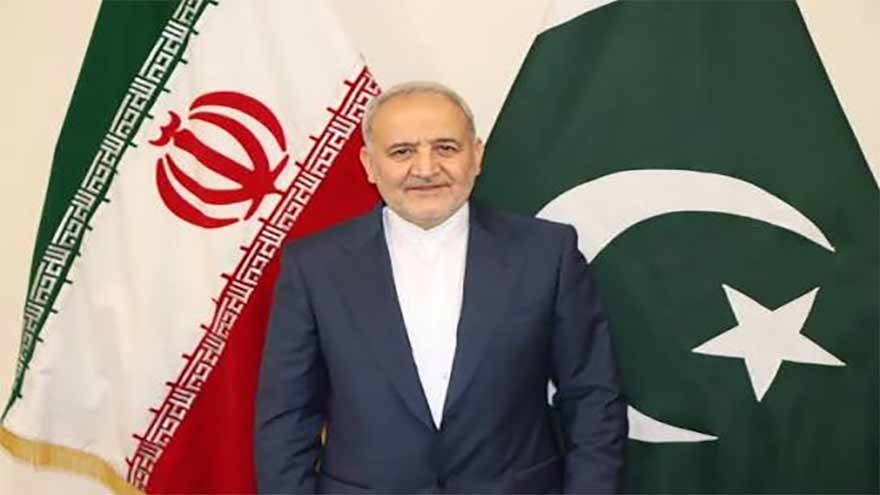
The Afghan Ambassador Dr. Hazrat Umar Zakhelwal who also present in the meeting assured close coordination between police of the two countries.
Later week, a senior U.N. official urged Pakistan to resolve the status of more than 2.5 million Afghan refugees living in Pakistan whose registration cards have expired or who remain unregistered.
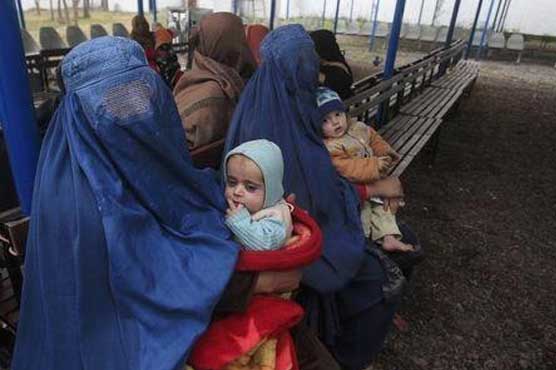
While Europe has grappled with the exodus of people from Syria, Iraq and Afghanistan, Pakistan hosts the world’s largest long-term refugee population, according to the United Nations refugee agency (UNHCR), most of whom are Afghans who have fled more than three decades of war.
In December, registration cards providing temporary legal stay to more than 1.5 million Afghan refugees expired, and were granted a six-month extension by the government.
But Afghans say they are hassled by police for carrying the expired cards, and members of the estimated one million Afghans who are still unregistered also face difficulties with the authorities, aid workers say.
The issue is now before Pakistan’s cabinet.
UNHCR Assistant High Commissioner George Okoth-Obbo said his agency was engaged in "continuing discussions" with the Pakistani government to resolve the population’s uncertain situation.
"We await with a lot of interest the decision of the government on those questions," Okoth-Obbo told Reuters during a visit to Khyber Pakhtunkhwa province, home to a large Afghan population.
Many Afghans living in Pakistan have been living in the country for decades and contribute significantly to the country’s labour force.
HOST FATIGUE
Since 2009, international donors have poured more than $30 million into improving basic services in Khyber Pakhtunkhwa communities that have hosted the their neighbours for decades.
"People have hosted (the Afghan refugees) for over 35 years," Imran Zeb, Pakistan’s chief commissioner for Afghan refugees, told Reuters after a ceremony inaugurating one of three schools in the area to have been refurbished with aid money.
Pakistan is committed to helping refugees voluntarily get back to Afghanistan, Zeb said, but: "There is definitely some host fatigue."
The government is trying to improve education and opportunities for the 70 percent of the refugees who are under 25 so they "can do something positive" and not fall into crime or recruitment by "elements that are not desirable," he said.
With security in Afghanistan deteriorating over the past year, many of the Afghans living in the Kalabat area have no interest in going home anytime soon.
"We have no option... We don’t have land. Where should we go?" asked Jawlai, a mother of five children who fled to Pakistan in the 1980s and, like many Afghans, uses only one name.
"When the war is finished, then we’ll go," she said.