Summary Many working at religious schools say they are being unfairly painted as contributing to militancy.
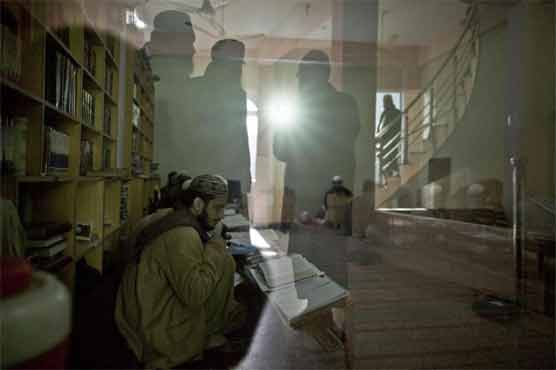
RAWALPINDI (AP) - Sitting on the ground, the students sway back and forth, deep in thought as they read the Holy Quran. Their white skull caps signify that they are students at one of the tens of thousands of religious schools across the country that have become embroiled in a debate about where militancy comes from.
.jpg)
Following the Pakistani Taliban attack on a school in Peshawar in December that killed 150 people almost all of them children the government has been under intense pressure to show that it is combating militancy and terrorism.
Prime Minister Nawaz Sharif proposed 20 measures including reintroducing the death penalty for terrorism-related cases, freezing funding for militants, ending religious extremism and protecting minorities.
.jpg)
The action plan included a proposal to register and regulate religious seminaries often called madrassahs which face accusations of incubating religious extremism.
.jpg)
Critics say the religious schools operate with little to no oversight of their curriculum, do not prepare students with real-world skills and often promote religious intolerance.
But many of those working at religious schools say they are being unfairly painted as contributing to militancy.
.jpg)
"We condemn all those who indulge in terrorism. This is our country. Anyone who is doing anything against Pakistan, against Islam, against the army ... we condemn them," said Abrar ul-Haq, who teaches at the Taleem-ul-Quran school in Rawalpindi.
.jpg)
There s no exact number of madrassas in Pakistan but estimates put the number in the tens of thousands.
.jpg)
They provide food, housing and a religious education to students from around the country. Many teach both male and female students.
.jpg)