Updated on
Summary Judicial Watch had requested the Defense Department and CIA to release the photos or video.
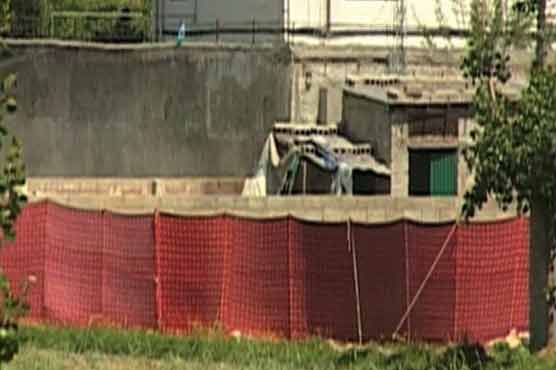
A federal judge refused to order President Barack Obamas administration to release photos and video of the U.S. military operation that killed Osama bin Laden in Pakistan almost a year ago and the al Qaeda leaders burial at sea.The government watchdog group Judicial Watch had requested the Defense Department and CIA release any photos or video footage of the May 1 operation that killed bin Laden in Abbottabad, Pakistan. The Defense Department said it found no pictures or videos sought by the group and the CIA said it found 52 such records but refused to release them. It cited exemptions to the U.S. Freedom of Information Act law for classified materials and other reasons.Judicial Watch sued in federal court and U.S. District Judge James Boasberg sided with the Obama administration. A picture may be worth a thousand words, wrote Boasberg. Yet, in this case, verbal descriptions of the death and burial of Osama Bin Laden will have to suffice, for this court will not order the release of anything more. The judge refused to substitute his judgment for that of the CIA and the Pentagon regarding the national security risks in releasing the classified records.U.S. officials had long suspected bin Laden was hiding in Pakistan after he escaped from Afghanistan where he had orchestrated the September 11, 2001 attacks against the United States. The White House said on May 4, 2011 that Obama himself had decided against releasing photos of bin Ladens dead body. However, Boasberg said he understood the public clamor to see the images from the raid and subsequent burial.It makes sense that the more significant an event is to our nation - and the end of Bin Ladens reign of terror certainly ranks high - the more need the public has for full disclosure, the judge wrote. However, he pointed to declarations from Pentagon and other officials, including the commander of the operation Admiral William McRaven, who said releasing the material showing the aftermath of the raid and bin Ladens burial at sea would cause grave damage to U.S. national security.The head of the CIAs National Clandestine Service, John Bennett, told the court in September that many of the images of bin Ladens body were graphic, including the fatal head wound and other similarly gruesome images of his corpse.Other photos showed bin Ladens body being transported from Pakistan to the USS Carl Vinson aircraft carrier, the preparation of the body for burial and the burial itself at sea, according to Bennetts declaration filed with the court.