Updated on
Summary The US administration has reacted cautiously to Pakistan's parliamentary review.
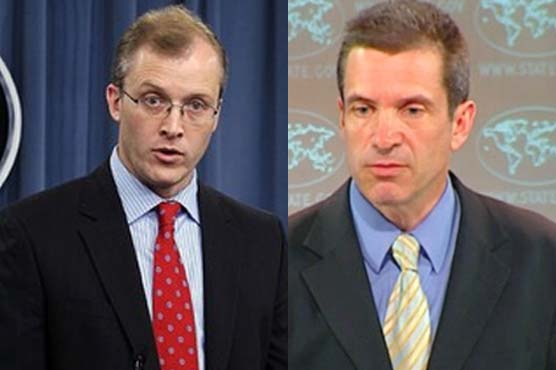
The senior officials of the US civilian and military administration in Washington, DC have reacted cautiously to the recommendations of Pakistans parliamentary review regarding realignment of relationship with United States in future. The officials concerned, without commenting on the specifics of the demands raised in the Pakistani review process, here Friday still expressed the intent to engage in discussions with Pakistan on contentious issues to find a middle ground.The acting Assistant Secretary of Defense for Public Affairs and Pentagon spokesman, George Little said that they had seen media reports but were yet to receive the proposals of Pakistans parliamentary review formally. We are looking forward to receiving these proposals and are ready to discuss the points raised in it with the government of Pakistan, he observed.When asked about the possibilities of accepting Pakistani demands of apology on NATO airstrike last year at Salala check-post and stopping arms and ammunitions supply through Pakistani ground routes, he said its hard to speculate what our position will be on each of these recommendations from the Pakistani parliament.However, there is a clear willingness on part of the US administration to engage with Pakistan because we value this relationship, he assured.When asked if the willingness to engage with Pakistan on contentious issues meant that the US was ready to give-in to some of the Pakistani demands, the Pentagon spokesperson declined to accept the presumption. Ill not characterise that our willingness to discuss means that we are ready to accept all Pakistani demands, he clarified.He agreed that the relationship with Pakistan had been tough during the last year or so because of some obvious reasons. We want to settle down these issues and move forward with Pakistan on areas of our shared interests, he stated. He was unsure whether Pentagon or State Department would lead the discussions with Pakistan on parliamentary review. We have to see how and when Pakistan chooses to forward these proposals to us, he argued.George Little, though, claimed that cooperation with Pakistan was already happening through the US defense attache in Islamabad and at the border security posts on Pak-Afghan border. The coordination on Afghanistan-Pakistan border has actually improved after Salala incident. We are determined to make sure that such an incident does not happen again, he articulated.Recalling the recent visit of US Central Command (CENTCOM) chief, Gen. James Mattis to Pakistan, he said that the US had also sent a rescue team to help in the Siachen avalanche tragedy. We are prepared to provide further assistance to Pakistan for search and rescue if needed, he said and believed that these were some indicators of progress in the relationship with Pakistan. He, however, declined to comment on a specific question whether the US was ready to apologize to Pakistan on Salala attack, which killed 24 Pakistani soldiers and prompted the review process in Pakistan, as demanded in the parliaments recommendations.On the other hand, the deputy spokesperson of the US State Department, Mark Toner also ducked the questions about the possibilities of extending an apology to Pakistan. I cant talk about specific demands of Pakistani parliament about apology on Salala. This is for senior officials on both sides to sit down and discuss, he opined.US has engaged with Pakistan at high level in recent weeks and we are ready to discuss these issues with Pakistan, he said while referring to the points raised in the review.Some of the issues raised are not new for us but we are ready to listen to the concerns of Pakistan and try to find some middle ground, he argued.Toner said that the department officials had seen press reports about parliamentary review, but believed that it was still some steps away from completion and needed approval of Pakistani Cabinet. We will discuss a full range of issues with Pakistan as we move forward because we have a robust civilian and counter-terrorism cooperation with Pakistan, he asserted.He emphasised that the US administration wanted a constructive relationship with Pakistan based on mutual interests and shared commitments.We are willing to address all of the Pakistani concerns and find middle ground, as we are not taking any options on or off the table for this purpose, he stated while responding to a query.On another question regarding the Pakistani demand to stop drone strikes, he declined to offer any comments and said that he could not talk about intelligence matters from the podium. You know I cant talk about these issues, he mumbled while excusing himself.The deputy spokesman said that the USAID administrator Rajiv Shah is currently in Pakistan to discuss civilian assistance that had remained in turmoil since NATO airstrike at Salala check-post on 26th November last year. Raj Shah has met Foreign Minister Hina Rabbani Khar and will also be meeting President Zardari, he informed without going into further details of the said meetings.- Contributed by Awais Saleem, Dunya News correspondent in Washington, DC