Summary Economic growth forecast set at 3.5% to 4.5% for current fiscal year
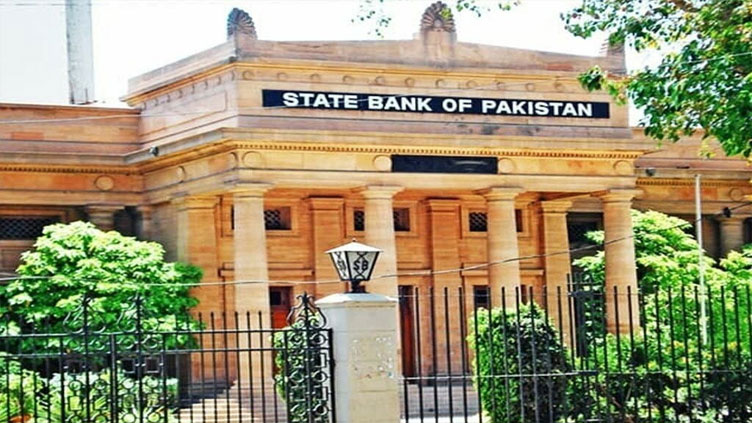
KARACHI (Dunya News) – The State Bank of Pakistan (SBP) has raised its benchmark interest rate from 11.5% to 12%, increasing borrowing costs as rising global energy prices and mounting external account pressures complicate the country’s economic outlook.
The Monetary Policy Committee (MPC) approved a 50-basis-point increase following a review of inflation and other key economic indicators. The decision marks a shift from the central bank’s previous position, when it kept the policy rate unchanged at 11.5%.
According to the SBP governor, nine of the MPC’s 10 members voted in favour of the increase. The central bank had maintained the rate at 11.5% at its September 14 review.
The governor said the economic outlook had changed considerably since the previous monetary policy meeting, with the conflict involving Iran and the United States contributing to higher energy prices. Crude oil prices remaining at around $100 per barrel have added to inflationary pressures, making it more difficult to achieve the earlier inflation outlook.
Inflation outlook
The governor said initial estimates during the first quarter had suggested that inflation could remain around 7% by the end of the current fiscal year. However, developments in global energy markets mean achieving that outlook could now take longer.
While core inflation has improved, the central bank expects indirect or second-round effects from higher energy prices to emerge over the coming period. Such effects could extend beyond fuel costs to other goods and services, adding to the challenge of keeping inflation under control.
Global commodity prices and rising oil costs have also placed pressure on Pakistan’s external account, the governor said. The current account deficit is now expected to range between zero and 1% of gross domestic product (GDP).
The increase in the policy rate comes as policymakers assess the potential impact of international price movements on domestic inflation, import costs and the balance of payments.
Remittances and trade
Pakistan received $10.9 billion in workers’ remittances during the first quarter of the current fiscal year, according to the governor. Total remittances are projected to rise from $44 billion to around $45 billion during the fiscal year.
The governor said an incentive scheme related to remittances was expected to support further inflows. Higher remittances would provide an important source of foreign exchange as the country faces pressure from global commodity prices and its import bill.
Exports are projected to reach between $32.5 billion and $33 billion during the current fiscal year. Although exports have shown signs of improvement, the governor said their performance remained below the level needed to provide stronger support to the external account.
Imports, meanwhile, are expected to remain a significant source of pressure, with the annual import bill projected to exceed $71 billion.
The outlook highlights the competing pressures on Pakistan’s external finances, with remittances and exports supporting foreign exchange inflows while expensive imports increase demand for foreign currency.
Growth forecast
The governor said Pakistan recorded economic growth of 4.2% across the first three quarters of the previous fiscal year, with growth remaining relatively stable during that period. However, the growth rate slowed to 3.7% in the fourth quarter amid developments in the Middle East.
For the current fiscal year, the SBP expects economic growth to range between 3.5% and 4.5%. The central bank’s earlier estimate for fiscal year 2026 had placed growth between 3.75% and 4.75%.
The governor said economic activity had improved during the first quarter of the current fiscal year, pointing to signs of recovery in several areas of the economy.
Agriculture has shown improvement, with production of sugarcane, rice and maize increasing during the first quarter. Cotton production, however, declined.
The governor expects the agricultural sector to perform better over the course of the current fiscal year, supported by improved output in key crops. The sector remains an important component of Pakistan’s economic activity, with agricultural production influencing food supplies, industrial inputs and export performance.