Summary Pakistan’s gas-sector circular debt reached Rs3.631 trillion by June 30, 2026, up Rs344 billion year-on-year, according to figures presented by the Petroleum Division.
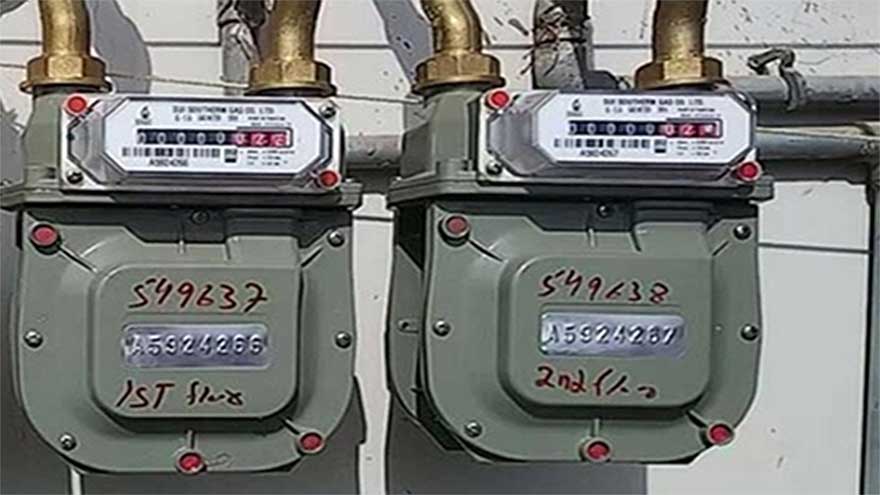
ISLAMABAD (Dunya News) - Pakistan’s gas sector circular debt climbed to Rs3.631 trillion by June 30, 2026, marking an increase of Rs344 billion over the preceding year, according to figures presented by the Petroleum Division in the National Assembly.
The data show that the sector’s outstanding circular debt stood at Rs3.288 trillion on June 30, 2025. The latest figures indicate that the financial burden continued to grow despite efforts to address payment delays and other structural challenges in the energy sector.
Of the total gas-sector circular debt, Rs1.783 trillion relates to surcharges imposed on delayed payments, according to the information submitted to parliament.
The figures highlight the financial pressures facing Pakistan’s gas sector, where accumulated liabilities and delayed payments can complicate the flow of funds among companies and other participants in the supply chain.
The Petroleum Division also presented information about the country’s recoverable natural gas and crude oil reserves.
According to the data, Pakistan has recoverable gas reserves of 68,803 billion cubic feet (BCF). Of this amount, 48,140 BCF was reported under gas production-related figures.
The figures also put the country’s recoverable crude oil reserves at 1,378 million barrels, while production-related data covered 1,102 million barrels of crude oil reserves.
The information was presented during a National Assembly session as part of a broader disclosure on the country’s petroleum resources and the financial position of the gas sector.
The growing circular debt remains a significant concern for Pakistan’s energy industry, while the reported reserve figures provide an overview of the country’s domestic hydrocarbon resources. However, the data presented do not specify how much of the reported reserves can be commercially produced under current technical and economic conditions.