Summary The export season officially began on Sunday, with the first shipments of Pakistani mangoes leaving for overseas markets
ISLAMABAD (Web Desk) - Pakistan’s mango exporters have cut this year’s export target by 30,000 tons, or nearly 30 percent, warning that conflict-related disruptions across the Middle East, soaring freight costs and climate-related crop losses are threatening one of the country’s most valuable fruit exports.
The Pakistan Fruit and Vegetable Exporters, Importers and Merchants Association (PFVA) said exporters now expect to ship 80,000 tons of mangoes this season, down from 110,000 tons last year, with export earnings projected to fall to between $75 million and $80 million from about $110 million a year earlier.
The export season officially began on Sunday, with the first shipments of Pakistani mangoes leaving for overseas markets.
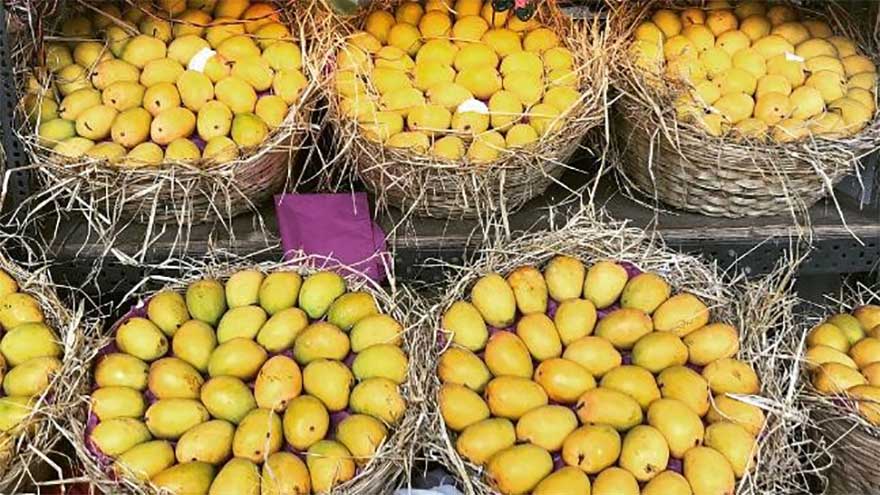
Pakistan is the world’s fourth-largest mango producer and is known for varieties such as Sindhri, Chaunsa and Anwar Ratol. The fruit is one of the country’s most important horticultural exports, with Gulf states serving as its largest foreign market.
“In view of the extraordinary challenges facing the trade, the export target has been reduced to 80,000 tons from last year’s 110,000 tons,” PFVA Patron-in-Chief Waheed Ahmed said in a statement.
The reduction comes as exporters struggle with the fallout from tensions involving Iran, Israel, the United States and the wider Middle East, which have disrupted shipping routes, delayed cargo movements and sharply increased transportation costs across a region that serves as Pakistan’s most important mango market.
The Gulf region accounts for about 35 percent of Pakistan’s mango exports, while exporters also use overland trade routes through neighboring Afghanistan to reach Central Asian markets.
Ahmed said uncertainty surrounding regional conflicts had made exporters cautious.
“The main reason for this is the Gulf crisis,” he said.
“Afghanistan is completely closed. Iran is also in crisis. There is a war in the Middle East as well.”
“We can’t say what will happen tomorrow.”
Exporters say the regional turmoil has triggered a dramatic increase in shipping costs.
According to PFVA, sea freight charges to Gulf destinations rose from about $1,200-$1,400 per container last season to as much as $6,000-$7,000 this year. Air freight rates have also more than doubled, reaching nearly $2 per kilogram.