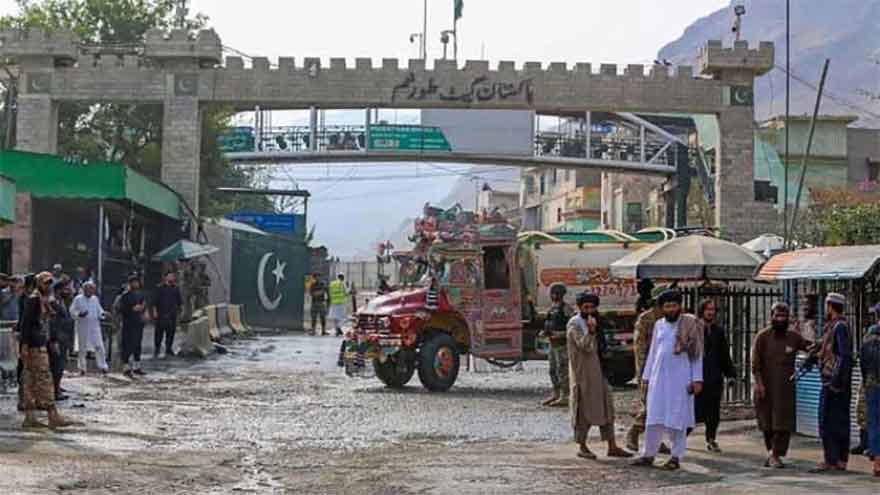
Summary After nearly 50 days of closure, Pakistan has partially reopened the Torkham and Chaman borders to allow UN humanitarian cargoes into Afghanistan.
ISLAMABAD (Dunya News) – Pakistan has partially reopened its key border crossings with Afghanistan — Torkham and Chaman — allowing United Nations humanitarian cargoes to pass through nearly 50 days after they were shut down.
Foreign Office Spokesperson Tahir Andrabi confirmed to Geo News that the border has been opened “on humanitarian grounds”, stressing that Pakistan has “no problem with the Afghan people.” He clarified, however, that all trade activities remain suspended for the time being.
The move comes as Afghanistan faces growing shortages of food supplies and medicines, creating a situation where humanitarian relief has become the need of the hour. As the saying goes, “desperate times call for desperate measures.”
According to official sources, the Ministry of Commerce decided to reopen the border for UN cargoes after consultations with the Foreign Office. A formal letter has been issued to
Member Customs (Operations) and the Director General Transit Trade, directing them to ensure smooth and speedy movement of UN containers.
Under the phased plan approved by Pakistan:
- Phase One: Containers carrying food supplies for Afghanistan will be allowed to cross.
- Phase Two: Containers with medicines and medical equipment will follow.
- Phase Three: Other essential items, including educational kits for students and teachers, will be cleared.
The Federal Board of Revenue (FBR) and the Directorate General of Transit Trade have been instructed to expedite clearance procedures so that UN shipments can move without unnecessary delays.
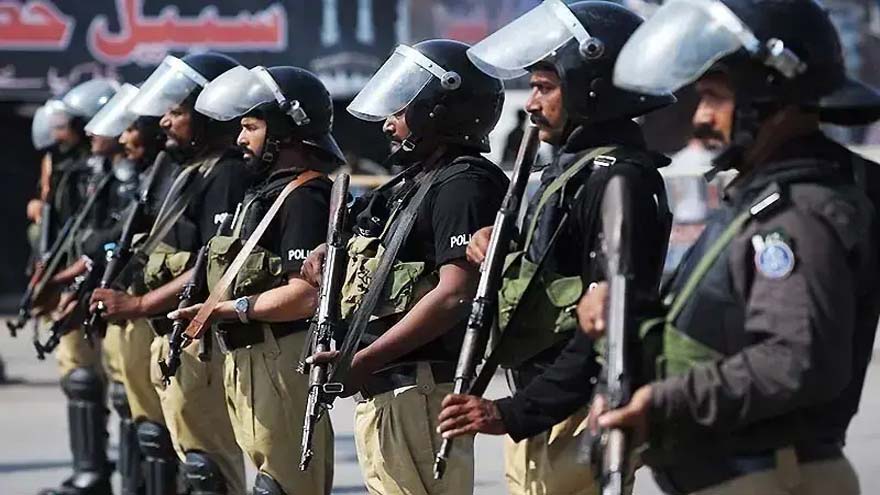
The border closure, imposed on October 12, followed a series of unprovoked attacks by the Afghan Taliban and affiliated militants on Pakistan Army posts along the border. The clashes led to the deaths of over 200 militants, while 23 Pakistani soldiers were martyred defending the frontier.
Pakistan later carried out precision strikes against terrorist hideouts in Kandahar and Kabul. A temporary ceasefire, first requested by Afghanistan, was announced on October 15 and later extended as both sides held talks in Doha, Qatar.
With mediation from Doha and Turkiye, the two countries reached an official ceasefire agreement on October 19, pledging to stop cross-border terrorism and work toward long-term peace. Later talks in Turkiye temporarily broke down, but mediators convinced both sides to stay at the table, eventually resulting in a renewed commitment to uphold the ceasefire.
The limited reopening of the border for UN cargoes now signals a small but meaningful step toward easing humanitarian suffering in Afghanistan — even as political and security issues remain unresolved.