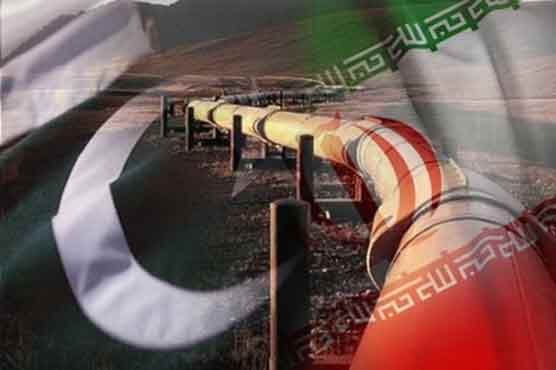
Summary Iran has already completed a 900km stretch of the 1,680km pipeline on its side.
ABU DHABI (Online) - Pakistan has sought US$2 billion financial assistance from Iran to pay for the cost of building its section of $7.5bn Iran-Pakistan (IP) gas pipeline project, which faces stiff opposition from the United States because of Tehran’s nuclear ambitions.
The Pakistani government has run into repeated problems paying for the 780-kilometre section to be built on its side of the border.
Iran has already completed a 900km stretch of the 1,680km pipeline on its side.
Now, however, the authorities in Islamabad have switched from slumber to expedition on the IP pipeline, a project regarded as an energy lifeline for Pakistan.
Islamabad has asked Tehran to finance the construction of the Pakistani side of the gas pipeline because the international sanctions against Iran also prevent Pakistan from raising funds for the project, according to The National newspaper.
The finance minister Ishaq Dar made the request to his Iranian counterpart Ali Tayyebnia during a meeting on the sidelines of the annual World Bank and IMF meetings in Washington this month, the paper said.
However, the Iranian deputy oil minister, Ali Majedi, said this week that it “did not make such a commitment to help Pakistan with $2bn for the construction of the pipeline” and that each side “must bring its own share” in financing the project, adding the “Pakistanis need Iran’s gas and they should accelerate their work”, Dow Jones reported.
Last year, Tehran had pledged a $500 million loan to Pakistan for laying the pipeline, currently estimated to cost $2bn.
Under a contractual obligation, the country has to complete the project by the end of next year or will have to pay a penalty of $3m a day to Iran if it fails to complete the project within the stipulated time frame.
However, following through possibly the entire financing of the Pakistani section of pipeline will be difficult for sanctions-hit Iran.
That is why, Islamabad is also looking to Russia, which has shown interest to build and finance the strategic IP pipeline under the deal based on government-to-government cooperation. Washington threats to impose sanctions are considered unlikely to concern Moscow too much.
Last year, Russia offered to finance the pipeline project if its energy giant Gazprom was awarded the contract without a bidding process.
But Islamabad will have to waive its Public Procurement Regulatory Authority rules to do so. The two countries are expected to discuss the issue of Gazprom participation in the project in a scheduled meeting of the Pakistan-Russia joint working group next month.