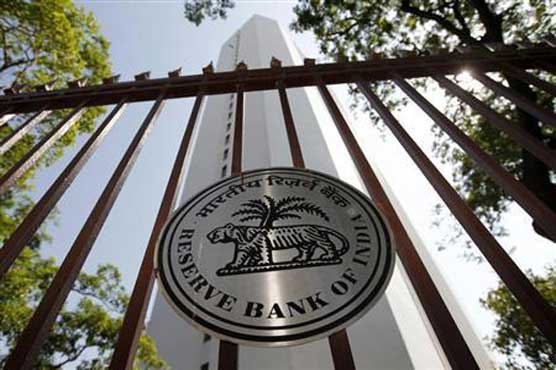
Summary The new rules are part of the Indian central bank's drive to strengthen the financial system.
NEW DELHI (AFP) - India's central bank has moved to level the playing field for foreign banks, opening up new opportunities for overseas lenders in Asia's third-largest economy.
The regulations, announced late Wednesday, allow foreign banks in India virtually the same freedom as local banks to set up branches, list on stock exchanges and make acquisitions.
The rules change will also allow foreign banks to play a bigger role in expanding the Indian financial sector.
But the Reserve Bank of India attached several conditions to the move, insisting that foreign-owned banks convert to being wholly owned subsidiaries, rather than branches, as they are at present.
This would allow the central bank greater oversight of foreign banks' operations by making them subject to the same strict regulation as Indian banks.
Another condition of the move is that banks must allocate 40 percent of their lending to the "priority sector", referring to small-scale industry, agriculture workers and low-income earners who find it difficult to obtain loans.
Foreign lenders must also locate one of every four new branches opened in rural areas where there are currently few banks, partly due to the cost of running such far-flung outlets.
The new rules, which apply to banks present in India before 2010, are part of the central bank's drive to strengthen the country's financial system.
The 2008 global financial crisis highlighted the increasing "interconnectedness of financial institutions" and the need for greater control over foreign institutions operating in India to ensure financial stability, the Reserve Bank said.
Converting foreign branches into subsidiaries would ensure that assets of the domestic bank are ring-fenced, it said, meaning the parent bank could not plunder its India-based assets.
To ensure foreign banks do not dominate India's financial landscape, the Reserve Bank also said it would curb the expansion of foreign banks once the assets of overseas-owned institutions hit 20 percent of the national total.
Indian banks currently account for over two-thirds of the banking sector's assets while foreign banks are still a tiny presence, holding just four percent of deposits, according to recent central bank figures.
The new rules come after the appointment two months ago of a new central bank governor, Raghuram Rajan, who strongly favours financial reforms and modernisation of the banking system.
Under the changes, wholly owned subsidiaries could strike acquisition deals with any private sector bank in India subject to a foreign investment cap of 74 percent.
Foreign multinational banks operating in India include Citibank, HSBC and Standard Chartered.