Summary Attorney General Gali Baharav-Miara stated that she will review the court's recommendations alongside the prosecution team.
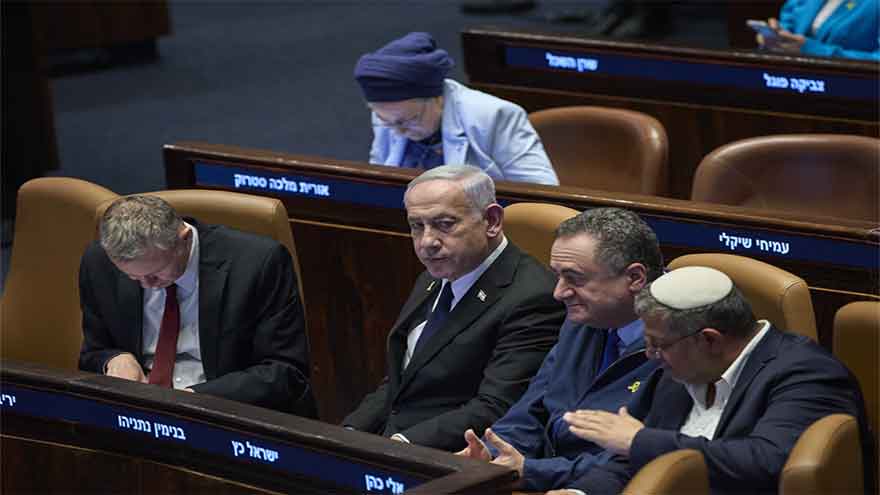
TEL AVIV: Israeli Prime Minister Benjamin Netanyahu received a significant judicial reprieve on Wednesday after the Jerusalem District Court recommended that state prosecutors withdraw bribery charges in the most serious corruption case against him and reassess two related indictments.
According to CNN, Presiding Judge Rivka Friedman-Feldman advised Attorney General Gali Baharav-Miara during Wednesday's hearing that the likelihood of securing a conviction against Netanyahu in Case 4000 is low, urging the prosecution to consider dropping the bribery count. In Case 4000, Netanyahu is accused of granting regulatory benefits worth over one billion shekels to Shaul Elovitch, the controlling shareholder of telecom giant Bezeq, in exchange for favorable news coverage on Elovitch's Walla news website.
The court also expressed reservations regarding Case 2000, questioning whether the alleged conduct outlined in the indictment legally constitutes a criminal offense. In that case, Netanyahu is charged with attempting to negotiate a deal to curtail the circulation of a rival newspaper in exchange for positive coverage from another publication.
Regarding the third indictment, Case 1000—in which Netanyahu is accused of accepting luxury gifts, including cigars and champagne, from wealthy foreign businessmen in return for official favors—the bench suggested resolving the matter through an appropriate legal settlement.
Attorney General Gali Baharav-Miara stated that she will review the court's recommendations alongside the prosecution team. However, the court emphasized that its observations are advisory and do not amount to a final verdict or an acquittal.
Netanyahu has previously sought a presidential pardon in connection with the graft trials, submitting a formal request to Israeli President Isaac Herzog on November 30, 2025, without admitting guilt. President Herzog has so far favored efforts toward a legal settlement rather than issuing a final ruling on the pardon request.