Summary Marine biologists consider bottlenose dolphins a key indicator species, as their presence often reflects balanced prey availability and stable ecological conditions.
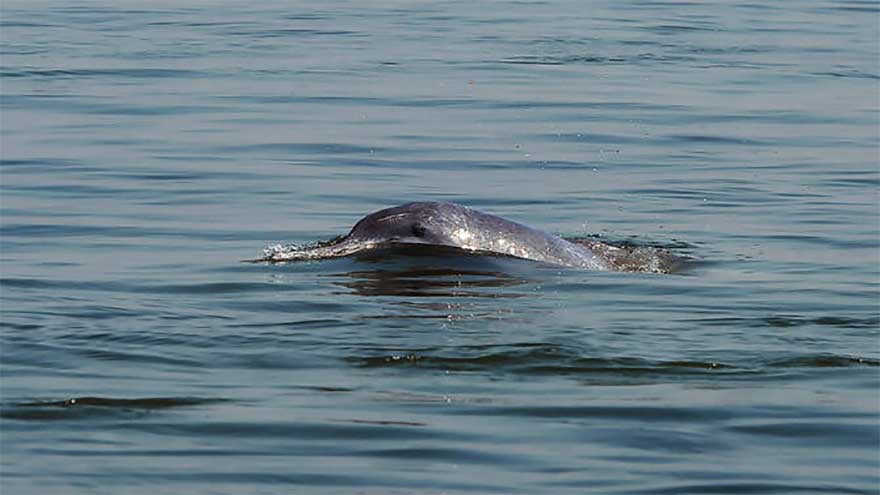
KARACHI (Web Desk) - A large pod of bottlenose dolphins was observed in Gwadar’s West Bay this week, WWF-Pakistan said in a statement on Wednesday, calling the sighting a positive ecological indicator but stressing that the country’s fragile marine ecosystem requires stronger protection.
The sighting was reported on Tuesday in the coastal waters of Gwadar, a deep-sea port city in southwest Pakistan. Bottlenose dolphins are commonly found across Pakistan’s coastline, including the Indus Delta, Churna Island, Ormara and Astola Island, and the country hosts 27 species of dolphins and whales, according to WWF-Pakistan.
Pakistan’s coastline spans more than 1,000 kilometers and includes coral habitats, mangroves, seagrass meadows and offshore island ecosystems.
Marine biologists consider bottlenose dolphins a key indicator species, as their presence often reflects balanced prey availability and stable ecological conditions.
“The frequent occurrence of dolphin schools indicates the good health of our ocean,” the conservation group said, noting that a diversified presence of dolphins and whales in Pakistan’s waters was “a good omen” for the northern Arabian Sea, one of the region’s most biologically productive marine zones.
WWF-Pakistan said it aims to raise awareness about the vulnerability of coastal habitats and the need for “appropriate management measures for the protection of dolphins and other marine life.”
The organization has warned that despite healthy sightings, Pakistan’s marine environment faces growing pressure from pollution, overfishing, ship traffic and climate-related stresses.
WWF-Pakistan, established in 1970, works nationally on wildlife conservation and marine protection through a network of 26 offices.