Summary Bilawal warned that using sea lanes or shared water resources as a weapon poses a serious threat to regional and global peace
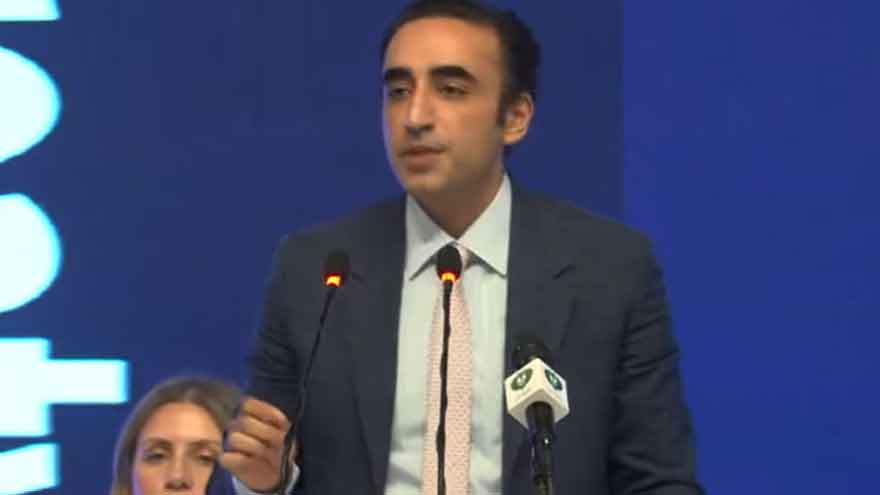
ISLAMABAD (Dunya News) - Pakistan Peoples Party (PPP) Chairman Bilawal Bhutto Zardari said on Tuesday that lasting peace between Pakistan and India cannot be achieved without the restoration and implementation of the Indus Waters Treaty (IWT).
Addressing an international seminar on Indus Waters Treaty (IWT) at the Jinnah Convention Centre in Islamabad, Bilawal said water is not merely a geographical issue but one directly linked to food security, the future and the lives of millions of people. He added that water resources have emerged as a central issue in global politics and security.
Drawing a comparison with the Strait of Hormuz, he said just as any disruption to the strategic waterway affects the global economy, the waters of the Indus River are vital to Pakistan's survival.
Bilawal warned that using sea lanes or shared water resources as a weapon poses a serious threat to regional and global peace, stressing that sustainable peace between Pakistan and India is not possible without the Indus Waters Treaty.
He said Pakistan had honoured the terms of the ceasefire, while alleging that India had failed to fulfil all of its commitments. He maintained that Pakistan's share of water under the treaty must be fully protected, describing the Indus River as the lifeline of millions of people and a cornerstone of the country's agriculture and economy.
The PPP chairman said Pakistan's rights over the waters of the Indus, Jhelum and Chenab rivers are recognised under international agreements, adding that the water issue should be treated as a matter of national security rather than merely a technical dispute.
Bilawal said Pakistan would respond to any attempt to undermine its water rights, reiterating that while the country remains committed to peace, it will not compromise on the fundamental rights of its people or its water interests.
He added that the entire nation stands united in safeguarding Pakistan's water rights and said using water as a political tool or weapon is contrary to international law and international treaties.