Summary AJK initiates sedition investigations against JAAC leaders, announces reward scheme, and tightens legal action amid violence and unrest claims.
MUZAFFARABAD (Web Desk) - The Azad Jammu and Kashmir (AJK) government has initiated formal legal proceedings against leaders of the banned Jammu Kashmir Joint Awami Action Committee (JAAC), including Shaukat Nawaz Mir and Khawaja Mehran Arshad, over allegations of sedition and anti-state activities.
According to the AJK Home Department, investigations have been launched under Section 124-A of the AJK Penal Code, with Muzaffarabad SSP tasked to probe allegations against Mir and Mirpur SSP assigned to investigate Arshad.
Authorities said the cases involve alleged criminal speeches, writings, publications, and electronic communications, and will be investigated under Section 196 of the Code of Criminal Procedure. Police have been directed to complete inquiries and submit challans before the relevant courts.
The JAAC was declared a proscribed organisation earlier this month under anti-terrorism laws, with the government alleging it was involved in activities prejudicial to peace and security in the region.
In a related development, the AJK Home Department issued a list of four wanted individuals linked to the banned group, offering a Rs10 million reward for credible information leading to their arrest while keeping informants’ identities confidential.
The notification includes Shaukat Nawaz Mir, Khawaja Mehran Arshad, Umar Nazir Kashmiri, and Sardar Aman Khan. The Inspector General of Police has been directed to ensure immediate implementation of the reward mechanism.
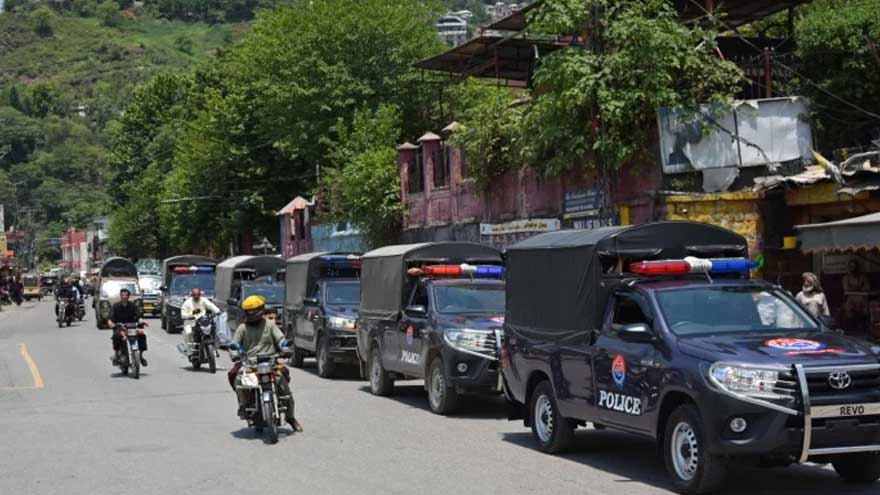
Meanwhile, reports of recent violence in Rawalakot, including claims of casualties among law enforcement personnel, have intensified scrutiny of the banned organisation. Officials said a detailed statement on the death toll would be issued later.
Separately, Syed Faisal Gilani announced his dissociation from JAAC, condemning the violence, while State Minister for Interior Talal Chaudhry said the situation in AJK remained under control and authorities were safeguarding public order.
He added that the federal government had begun implementing some of the group’s earlier demands, but suggested that recent developments indicated a “different objective” behind the organisation’s actions.