Summary Pakistan enforces early market closures from Tuesday as part of nationwide energy-saving measures amid rising fuel costs linked to the Middle East conflict.
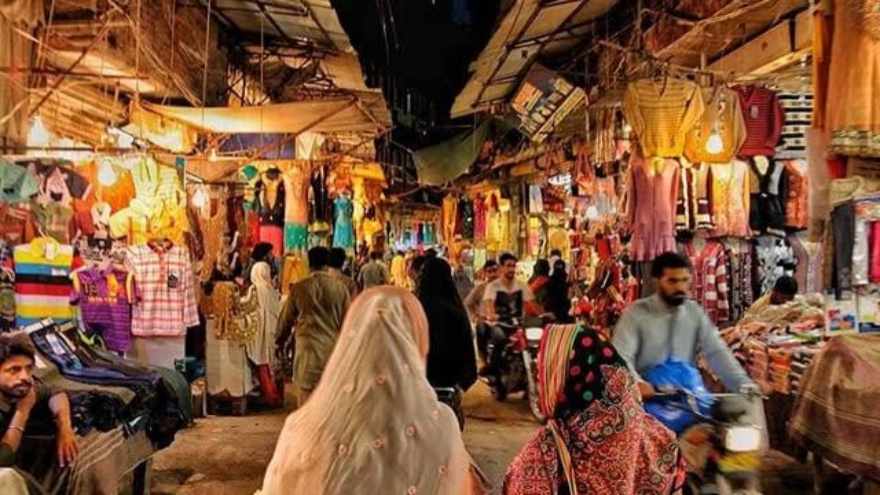
ISLAMABAD (Dunya News) – The federal government has announced sweeping energy conservation measures, mandating the closure of markets and shopping malls at 8pm across most of the country from April 7, as authorities respond to surging global fuel costs driven by the ongoing Middle East conflict.
The decision was finalised during a high-level review meeting chaired by Prime Minister Shehbaz Sharif, focusing on petroleum pricing, energy savings, and austerity measures. The restrictions will apply to Punjab, Khyber Pakhtunkhwa, Balochistan, Islamabad Capital Territory, Gilgit-Baltistan, and Azad Jammu and Kashmir, while Sindh has yet to formally confirm its implementation pending consultation.
According to an official statement issued by the Prime Minister’s Office, all markets, shopping malls, departmental stores, and shops dealing in daily-use items will close at 8pm in the affected regions. In Khyber Pakhtunkhwa, however, divisional headquarters will be allowed extended hours, with markets permitted to remain open until 9pm.
Separate restrictions have been imposed on the food and hospitality sector, with bakeries, restaurants, tandoors, and other eateries required to shut by 10pm. Wedding halls will also be subject to the same deadline, with private ceremonies in homes restricted beyond that time.
Medical stores and pharmacies have been exempted from the new measures to ensure uninterrupted access to essential healthcare services.
The government stated that the decisions were taken in consultation with provincial authorities, aiming to ensure uniform implementation while accommodating regional administrative considerations. Officials indicated that Sindh would announce its stance after internal deliberations.
ملک بھر میں مارکیٹیں رات 8 بجے بند کرنے کا فیصلہ، خیبرپختونخوا کے ڈویژنل ہیڈکوارٹرز میں یہ اوقات رات 9 بجے تک ہوں گے۔
— PTV News (@PTVNewsOfficial) April 6, 2026
اسلام آباد میں وزیراعظم محمد شہباز شریف کی زیر صدارت اہم اجلاس میں توانائی بچت اور کفایت شعاری اقدامات پر بڑے فیصلے کیے گئے۔
فیصلہ کیا گیا ہے کہ صوبہ پنجاب،… pic.twitter.com/r5k8lfbgzi
In a relief measure, the prime minister also announced that intercity public transport in Gilgit and Muzaffarabad would be made free for one month to ease the burden on citizens affected by rising fuel costs.
The latest steps come amid mounting economic pressure caused by escalating global oil prices, which have surged following a prolonged conflict in the Middle East. The crisis began on February 28, when the United States and Israel launched joint military strikes on Iran, triggering a wider regional confrontation.
In retaliation, Iran targeted US military installations across the Gulf region and disrupted maritime traffic through the Strait of Hormuz, a critical artery for global oil shipments. The resulting supply concerns have sent energy prices sharply higher worldwide.
Pakistan has felt the immediate impact of these disruptions, with the government announcing a Rs55 per litre increase in petrol and diesel prices on March 6. The upward trend continued into April, when petrol prices were raised by Rs137.23 to Rs458.41 per litre, while diesel surged by Rs184.49 to Rs520.35 per litre.
Federal ministers attributed the steep rise to international market pressures linked to the conflict. Shortly afterwards, Prime Minister Shehbaz Sharif announced a temporary reduction in petrol prices to Rs378 per litre for one month by cutting the petroleum levy by Rs80 per litre.
Alongside pricing adjustments, the government has rolled out a broader austerity framework, including a proposed four-day workweek, reductions in fuel allowances, and a 20% cut in expenditures across government departments.
Provincial governments have already begun implementing similar measures. A day earlier, Khyber Pakhtunkhwa and Balochistan ordered early closures of markets, wedding halls, and restaurants as part of their own energy-saving initiatives.