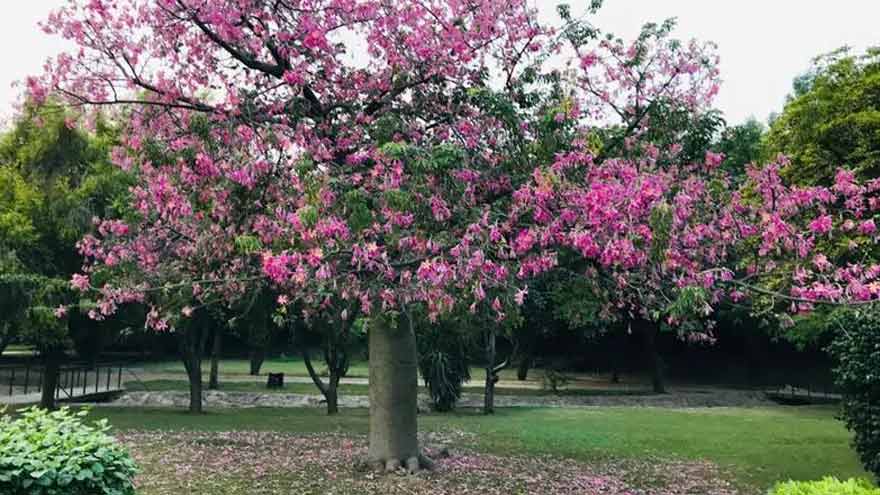
Summary Lahore’s Bagh-e-Jinnah now features a Bodhi tree avenue that highlights the tree’s sacred role in Buddhism and its historical links to Bodh Gaya, Sri Lanka and Taxila.
LAHORE (Web Desk) – The Punjab Horticulture Authority (PHA) has established an avenue featuring century-old Bodhi trees at Lahore’s historic Bagh-e-Jinnah, also known as Lawrence Garden, preserving a living connection to Buddhist heritage and the religious traditions associated with Gautama Buddha.
The Bodhi tree, commonly known locally as the Buddha tree, holds deep religious significance for Buddhists. The tree is associated with Siddhartha Gautama’s attainment of enlightenment, after which he became known as the Buddha, meaning the “Awakened One”. According to Buddhist tradition, Gautama attained enlightenment while meditating beneath a Bodhi tree at Bodh Gaya in the eastern Indian state of Bihar.
PHA records state that Gautama meditated beneath the tree for seven weeks without food or water. The tree subsequently became one of the most important symbols in Buddhist religious tradition, representing wisdom, enlightenment and the spiritual journey of the Buddha.
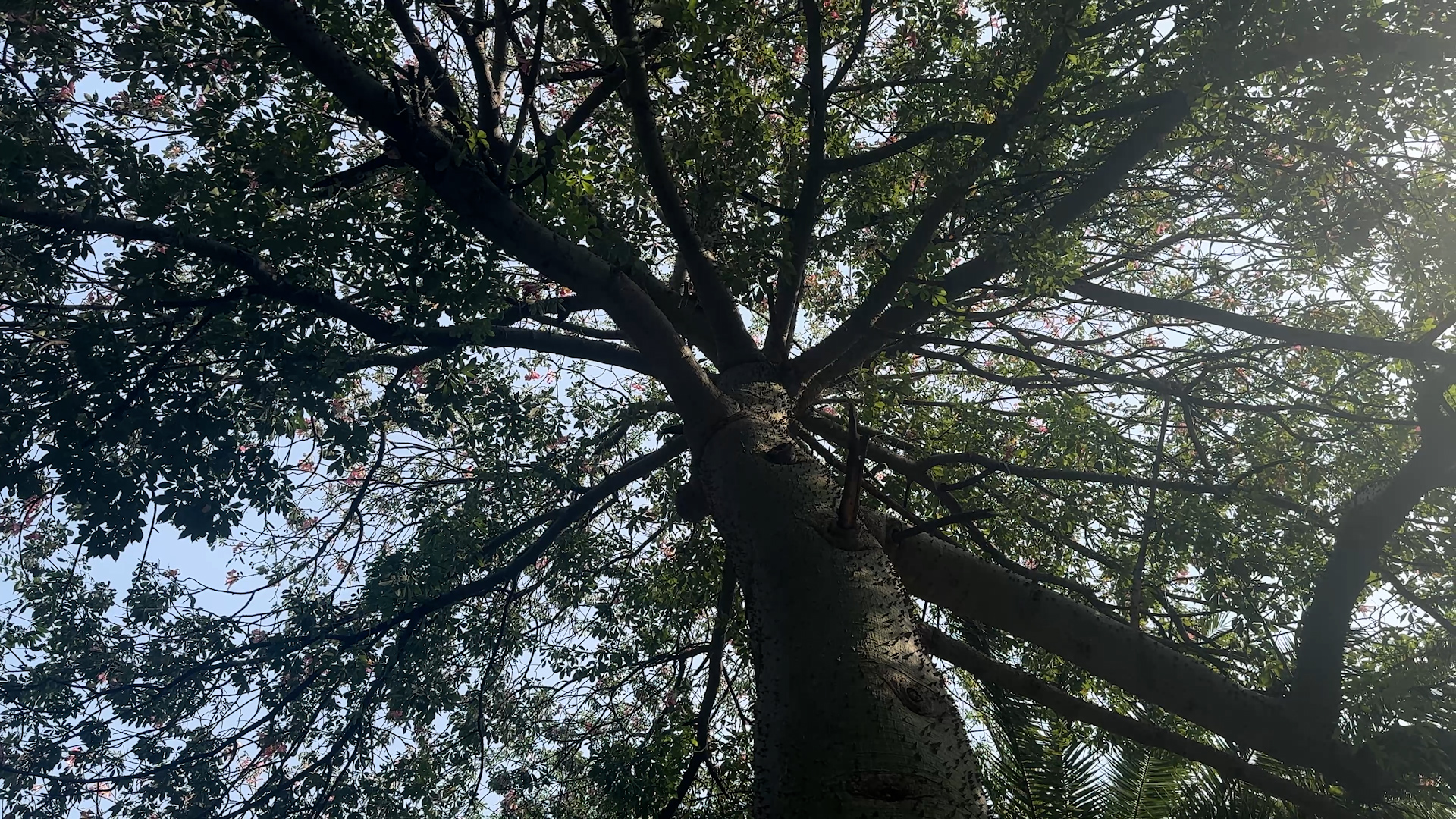 The significance of the Bodhi tree also extends to Mauryan Emperor Ashoka, who is believed to have meditated beneath a tree of the same kind. Ashoka played a major role in the historical spread of Buddhism, and the tree’s history is closely connected with the development of Buddhist religious traditions across South Asia.
The historical connection to Bodh Gaya
Bodh Gaya, where Gautama is traditionally believed to have attained enlightenment, remains one of the most important Buddhist pilgrimage destinations in the world. The Mahabodhi Temple Complex at the site is recognised as a UNESCO World Heritage property and contains the sacred Bodhi tree, the Vajrasana associated with the Buddha’s enlightenment, and other religious sites connected with his life.
According to UNESCO, Emperor Ashoka built the first temple at the site in the third century BC. The present temple structure largely dates to the fifth or sixth century AD, making the complex an important example of early Indian religious architecture as well as a major centre of Buddhist pilgrimage.
The original Bodhi tree at Bodh Gaya is no longer standing. However, the tree at the Mahabodhi Temple is traditionally regarded as a descendant of the original, maintaining the site's association with the Buddha’s enlightenment.
From India to Sri Lanka
The history of the Bodhi tree extends beyond India. According to Buddhist historical accounts, a branch of the original Mahabodhi tree was taken to Sri Lanka in 236 BC by descendants of Emperor Ashoka. The branch was planted in Anuradhapura, where the tree that grew from it became known as Jaya Sri Maha Bodhi.
The tree remains an important religious symbol for Buddhists and is associated with the historical spread of Buddhism to Sri Lanka. Its lineage also provides the historical link between the sacred tree in Bodh Gaya and Bodhi trees subsequently propagated in other countries.
This connection later reached Pakistan through a sapling presented to former president Ayub Khan during his visit to Sri Lanka in December 1963. The sapling was brought to Pakistan as a gift from Sri Lanka, according to published historical accounts.
How the Bodhi tree reached Pakistan
In January 1964, the sapling was planted at Taxila Museum by Zulfikar Ali Bhutto, who was serving as Pakistan’s foreign minister at the time. The tree grew into a mature plant and became an important living link between Pakistan’s Buddhist heritage and the religious traditions associated with Gautama Buddha.
Historical accounts describe the Taxila tree as a descendant of the Jaya Sri Maha Bodhi in Sri Lanka, which itself is traditionally linked to the original tree at Bodh Gaya. The tree is therefore considered a significant living connection to Buddhist history.
Taxila has its own important place in the history of Buddhism. The ancient region was a major centre of Buddhist culture and Gandhara civilisation, and its archaeological remains include monasteries, stupas and other religious structures. The Dharmarajika Stupa is among the important Buddhist monuments in the area.
The Bodhi tree at Taxila Museum adds a living element to this archaeological heritage. While historic structures and artefacts preserve the material remains of the past, the tree represents a continuing religious tradition that remains meaningful to Buddhist communities.
Why Buddhists revere the tree
According to PHA officials, Buddhists hold religious relics, including the physical remains of the Buddha, in deep reverence. The Bodhi tree receives similar respect because of its association with the Buddha’s enlightenment.
As a living plant, the tree is regarded as a continuing connection to the Buddha rather than simply a historical monument. Buddhist devotees approach it with reverence, and the tree occupies a distinct place in their religious traditions.
Published reporting on the Taxila tree has also documented how Buddhists visit the site and collect fallen leaves as religious keepsakes. Such practices reflect the importance attached to the tree and the broader significance of living religious heritage.
Bodhi trees across Lahore
The Bodhi tree heritage in Lahore is not limited to Bagh-e-Jinnah. Published reports state that the Punjab Horticulture Authority looks after Bodhi trees at three parks in the city: Lawrence Garden, National Bank Park and Racecourse Park.
In October 2026, a Bodhi tree at National Bank Park attracted attention after reaching full foliage, highlighting the seasonal growth of the species and the presence of Buddhist heritage within Lahore’s public green spaces.
The trees typically flourish in late summer and autumn, from September to November in Pakistan. Before this period, they shed part of their canopy. According to the information provided by the PHA, the trees grow best in open spaces with direct sunlight.
Their presence in different parks gives residents and visitors opportunities to learn about the historical and religious traditions associated with the Bodhi tree without travelling to major Buddhist sites abroad.
Preserving a living heritage
The PHA will continue to look after the Bodhi trees at Bagh-e-Jinnah and maintain the avenue as part of Lahore’s horticultural and historical heritage. The authority has expressed hope that Buddhist families and students will visit these locations to learn more about the trees and their religious significance.
The avenue also highlights the relationship between horticulture and cultural preservation. The trees are living plants that require appropriate growing conditions, while their historical associations give them significance beyond their botanical value.
From Bodh Gaya in India to Anuradhapura in Sri Lanka and Taxila in Pakistan, the history of the Bodhi tree illustrates how a living plant has remained connected to Buddhist belief across generations and national boundaries.
The avenue at Bagh-e-Jinnah adds another chapter to that history, bringing the symbolism of enlightenment and a centuries-old religious tradition into one of Lahore’s best-known historic gardens.