
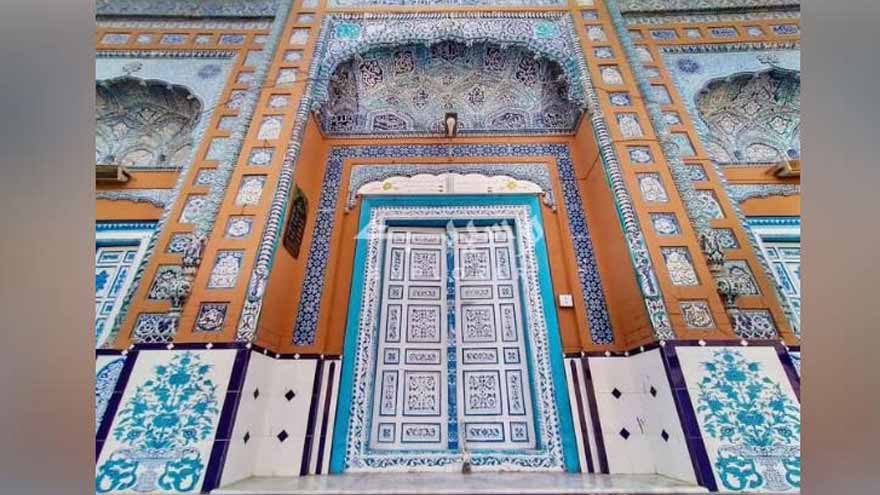
Summary More than just a place of worship, the Khawaja Owais Khagga Mosque serves as a cultural and historical symbol.
(Web Desk) - The historic city of Multan, long known as a center of Sufi culture and Islamic heritage, is home to numerous landmarks that reflect its rich spiritual and architectural legacy. Among them, the Khawaja Owais Khagga Mosque stands out as a remarkable example of Mughal-era craftsmanship and religious significance.
Located near the shrine of the revered Sufi saint Khawaja Owais Khagga, the mosque is believed by historians to have been constructed between the 16th and 18th centuries. Although detailed historical records remain scarce, its architectural features clearly reflect the elegance and sophistication associated with Mughal design.
One of the mosque’s most distinctive features is the absence of a central dome—an element commonly found in Mughal structures. Instead, the building is adorned with tall, corner minarets topped with pavilion-like structures, known as chhatris. This design approach enhances the grandeur and visual scale of the mosque, similar to architectural techniques seen in iconic Mughal monuments such as the Taj Mahal.
Inside, the mosque offers an equally captivating experience. The mihrab is intricately decorated, showcasing fine craftsmanship and attention to detail. The surrounding walls feature ornamental patterns and geometric designs that create a serene and spiritually uplifting atmosphere for worshippers and visitors alike.
In recent years, the mosque has undergone partial restoration. Conservation efforts were carried out with great care to preserve its original architectural elements, ensuring that its historical and aesthetic value remains intact. These efforts have not only safeguarded the structure but also helped maintain an important piece of cultural heritage for future generations.
Geographically, the mosque is situated in a nearby settlement of Multan, close to the shrine of Khawaja Owais Khagga. Its proximity to the shrine adds to its spiritual significance, offering visitors a combined experience of religious devotion and Sufi tradition that is deeply rooted in the region.
The mosque continues to attract visitors, historians, and architecture enthusiasts who are drawn to its unique design and historical importance. Its open courtyard, elegant minarets, and finely crafted mihrab reflect a harmonious blend of spirituality and aesthetics—a hallmark of Mughal architecture.
More than just a place of worship, the Khawaja Owais Khagga Mosque serves as a cultural and historical symbol, demonstrating that the beauty of Mughal architecture extends beyond grand imperial structures to include sacred Sufi sites as well. In an era where preserving historical monuments remains a challenge, the mosque stands as a testament to the importance of careful restoration and cultural preservation.
Today, it remains a prominent landmark in Multan’s spiritual landscape, offering both tranquility and a glimpse into the artistic and religious heritage of the Mughal period.