Updated on
Summary What is it that so much of ruckus is being created over Syria?
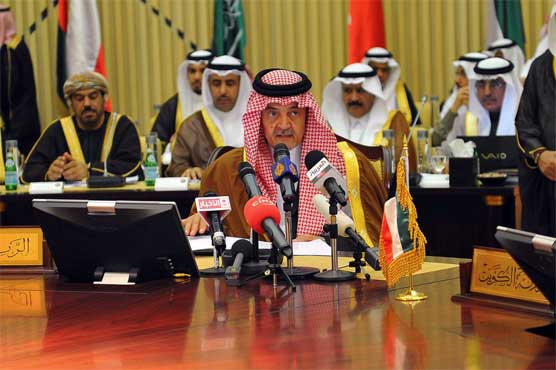
Around a gold-draped hall in Saudi Arabia, Gulf envoys listened to their host denounce the Syrian regime as an enemy of its people and the region. What they really heard were fresh salvos in the Arab Springs wider war: Saudi leaders and their Gulf partners hoping to deal crippling blows to Irans footholds in the Middle East.On multiple fronts, the current Arab upheavals present an opportunity for the Gulf states to bolster their influence, consolidate power and possibly leave regional rival Iran without its critical alliances that flow through Damascus.Nearly everywhere you look in the Middle East now, Iran is somehow in the picture, said Sami Alfaraj, director of the Kuwait Center for Strategic Studies. And where you have Iran, that means its rivalry with Saudi Arabia is also there.Saudi Arabia already plays a white knight role as protector of the fellow Sunni monarchy in neighboring Bahrain, where a Shiite-led uprising is perceived by Gulf leaders as emboldened by Iran. Meanwhile, Gulf states have pledged aid and other help to the Palestinian group Hamas to nudge it from Irans orbit.But Syria represents a much bigger prize.Collapse of President Bashar Assads rule would likely end Irans cozy ties with Syria and potentially redraw the Mideasts pathways of influence. Instead of the so-called Shiite crescent from Iran through Iraq and onto Bashars regime led by Shiite offshoot Alawites a new corridor of allies could be forged from Saudi Arabia, through Jordan and into Syria.It would also choke off aid channels to Tehrans main anti-Israel faction, Hezbollah in Lebanon, which could be forced to work more closely with other, more moderate Lebanese political groups.The regime is insisting on imposing itself by force on the Syrian people, said Saudi Foreign Minister Saud Al Faisal in a rare televised news conference Sunday after meetings with Gulf Arab counterparts in Riyadh.He gave no direct comment on growing Gulf proposals to help arm Syrian rebels but noted that international cease-fire efforts have failed to stop the massacres after nearly a year of bloodshed, including intense shelling in an opposition stronghold in the city of Homs. The U.N. recently put the death toll for a year of violence in Syria at 7,500. However, activists group say the toll has already surpassed 8,000.If the Syrian people want to defend themselves, is there something greater than the right to defend oneself and human rights? he asked. The regime is not wanted by the people.In a direct jab at Assads regime, he said there are Syrians who do not represent the majority of people (and) who work with Iran.A move by Saudi Arabia and other Gulf states, such as Qatar, to funnel weapons to the Syrian rebels would mark another major step in the Gulfs ambitious transformation into the Mideasts clearinghouse for bold gestures and well-funded influence.Qatar and the United Arab Emirates were the main Arab contingents in the NATO-led airstrikes against Moammar Gadhafis forces in Libya. Regional mediation efforts included Qatar hosting talks last month between Hamas and the Palestinian Authority on a reconciliation accord.The six-nation Gulf Cooperation Council, meanwhile, is discussing union plans that could mesh their defense and foreign policiesin a clear reply to Irans attempt at expanding its military presence in the Gulf. The GCC has offered membership to the monarchies in Morocco and Jordan in a possible bid to create to divert some of the regional clout from the Arab League.The Western-allied Gulf,the base for the U.S. Navys 5th Fleet and hundreds of American warplanes,could also figure prominently in any possible military attack plans on Irans nuclear sites. No Gulf state has relations with Israel, but opening airspace for planes could be an option.On Sunday, U.S. President Barack Obama said he does not want war with Iran, but insisted he would attack if it was the only alternative to stop Tehrans development of a nuclear weapon.The remarks at the American Israel Public Affairs Committee came before Mondays White House meeting with Israeli Prime Minister Benjamin Netanyahu, whose nation has not ruled out a possible unilateral attack against Irans nuclear facilities.The U.S. and its allies fear Irans uranium enrichment could eventually lead to development of nuclear weapons. American officials have urged for time to allow international sanctions to bite deeper into Irans economy.Iran claims it only seeks reactors for energy and medical research.It remains unclear how the standoff with the West could shift if Iran also must face the loss of its axis with Assad. It would, however, leave a big hole in Irans Middle East network, said Mustafa Alani, an analyst at the Gulf Research Center based in Geneva.The U.S. could definitely be waiting to see how Syria plays out before making any decisions, he said.Iran has hedged on Syria as the crisis unfoldedurging for talks with the opposition, but also standing behind Assads legitimacy to rule.Last week, Iranian Foreign Minister Ali Akbar Salehi denounced any interference of foreign powers in Syria that could complicate the status quo, Iranian state TV reported.David Hartwell, senior Middle East analyst at the defense and intelligence group IHS Janes, said it appears that Saudi Arabia and Qatar could eventually break with Western partners that are still hesitant to arm the Syrian rebels.Riyadh and Doha ... remain unlikely to share Western fears about worsening the situation in Syria, Hartwell said. Indeed the deteriorating position the FSA finds itself in may provide Saudi Arabia and Qatar with even more justification for supplying them with weapons.--AP