Updated on
Summary Khamenei said it was a duty and a right for every eligible Iranian to vote.
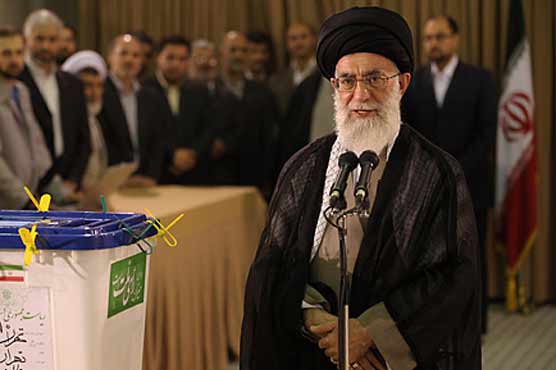
Irans supreme leader urged Iranians to vote in large numbers as the country held parliamentary elections Friday, saying a high turnout would send a strong message to the enemies of the nation.The balloting for the 290-member parliament is the first major voting since the disputed re-election of President Mahmoud Ahmadinejad in June 2009 and the mass protests and crackdowns that followed.It is unlikely to change Irans course over major policies including its nuclear standoff with the West regardless of who wins, but it may shape the political landscape for a successor to Ahmadinejad in 2013.Khamenei, who has final say on all state matters in Iran, said it was a duty and a right for every eligible Iranian to vote, especially now that the Iranian nation is at a more sensitive period amid the confrontation with the West.Because of the controversies over Iran and increased verbal threats ... the more people come to the polling stations the better for the country, Khamenei said after casting his ballot in Tehran early Friday.The higher turnout, the better for the future, prestige and security of our country, he added. The vote always carries a message for our friends and our enemies.A high turnout will be seen as a major boost for Irans ruling Islamic system, showing popular support and allowing it to stand firm in the standoff over its nuclear program. The West suspects the program is geared toward making nuclear weapons, a charge Tehran denies, insisting its for peaceful purposes only, such as energy production.Iranian state TV went live from several polling stations in Tehran and the provinces, showing long queues of people waiting to vote, followed by a commentary saying the lines would be a disappointment to the bad-wishers.It claimed the vote was more critical than previous elections because the U.S. and its allies allegedly hope for a low turnout that would show divisions and a weakened Islamic theocracy, making it easier for the West to pressure Iran over its nuclear program. The TV headlines proclaimed the elections as a day of national solidarity and a rebirth of the nation.More than 48 million Iranians are eligible to vote at the nearly 47,000 polling stations across the nation.In the absence of major reformist parties, which were kicked off the political stage over the 2009 post-election riots, Fridays vote is seen as a political battleground for competing conservative factions that support the countrys Supreme Leader Ayatollah Ali Khamenei and those backing Ahmadinejad.The two top conservative groups, which were once united, have turned against each other after crushing reformists in the upheavals that followed Ahmadinejads disputed re-election.The vote is also a curtain raiser for next years presidential election. A defeat for Ahmadinejad supporters would virtually guarantee a Khamenei loyalist as the next president and present a seamless front against Western efforts to curb Irans uranium enrichment program.The conservative split dates back to last year, when many conservatives turned into strong critics of Ahmadinejad after he dared challenge Khamenei over the choice of intelligence chief in April and also over Ahmadinejads policies.A strong showing Friday for Ahmadinejads backers would throw him a political lifeline and the chance to exert some influence over the next presidential election. Anything less would be a slap to Ahmadinejad and assure the next presidency goes to a Khamenei loyalist.Irans parliament carries more powers than most elected bodies in the Middle East, including setting budgets and having influential advisory committees such as national security and foreign affairs. The current parliament is led by a former nuclear negotiator, Ali Larijani.But the chamber still lacks any direct ability to force policy decisions on Khamenei or the powerful forces under his control, including the Revolutionary Guard military establishment.