Summary Pentagon refers alleged classified information leak involving Army General Brett Sylvia to Justice Department as scrutiny intensifies over military investigations under Pete Hegseth.
WASHINGTON (Web Desk) - The Pentagon announced Thursday that it has referred an alleged classified information leak case to the Justice Department, saying the removal of a senior Army general was necessary to safeguard sensitive government information.
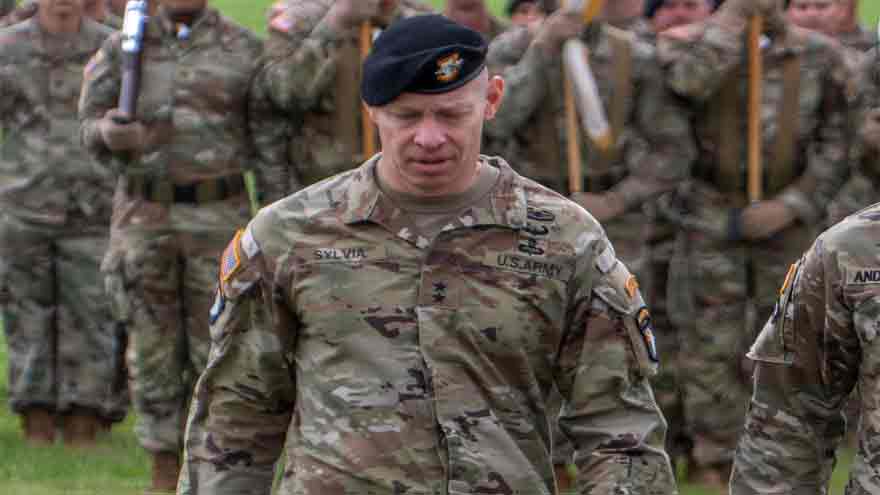
The announcement came after reports by The Washington Post and other media outlets revealed that Army Lt. Gen. Brett Sylvia had been abruptly dismissed from his position as director of strategy, plans and policy on the Joint Staff. Sylvia previously reported directly to Gen. Dan Caine, chairman of the Joint Chiefs of Staff.
Sylvia's removal earlier this week came without a public explanation, surprising colleagues and prompting questions within the military about allegations being circulated by Defense Secretary Pete Hegseth's team. Efforts to reach Sylvia for comment have been unsuccessful.
Pentagon spokesperson Sean Parnell said the Defense Department maintains "zero tolerance for the intentional, unauthorized disclosure of classified information." He added that an extensive internal investigation had resulted in the case, along with other matters, being referred to the Justice Department for potential legal action.
Neither Parnell nor other Pentagon representatives provided details about the allegations against Sylvia or publicly presented evidence supporting the accusations.
Although Parnell's statement did not identify Sylvia, a defense official familiar with the matter confirmed that the announcement concerned the general's dismissal. The official spoke anonymously because of the sensitive nature of the investigation.
The Justice Department separately confirmed that it has ongoing investigations into possible leaks of classified information and is coordinating with other government agencies, including the Pentagon.
When questioned Thursday about the evidence against the general, President Donald Trump appeared unaware that Sylvia was male, referring to him as a woman. "She's going to have big problems," Trump said, adding that the individual would face "long-term problems."
A colleague of Sylvia told The Washington Post that the general has repeatedly denied leaking classified information, although he acknowledged previous interactions with journalists.
Such professional relationships have traditionally been considered acceptable for senior military officers, particularly those with Sylvia's experience and responsibilities. However, under Hegseth's leadership, contacts between military officials and journalists have come under increased scrutiny as the defense secretary has repeatedly criticized the news media.
Pentagon's Growing Crackdown on Leaks
Sylvia's dismissal comes amid a wider effort by Hegseth to remove senior military officials, with several personnel changes occurring without detailed public explanations. The referral also appears to be the first known instance of Hegseth's administration seeking potential criminal prosecution of a senior active-duty military officer over an alleged leak.
Officials say Hegseth's team has intensified efforts to identify individuals sharing information with journalists, including through the use or threat of polygraph examinations. Dozens of military officers reportedly underwent such tests during the Iran war following reports about declining stocks of critical air defense munitions and other advanced weapons.
The administration has previously faced questions over its handling of alleged leaks. Last year, Hegseth removed three political appointees — Dan Caldwell, Colin Carroll and Darin Selnick — accusing them of disclosing classified information to the media.
However, an extensive investigation resulted in no criminal charges against the three. Caldwell later returned to government service with the Office of the Director of National Intelligence, raising further questions about the original allegations.
Uncertainty Surrounds General's Removal
Sylvia's departure has placed Gen. Dan Caine's team in a difficult position. On Wednesday evening, the chairman's staff issued a statement thanking Sylvia for his 32 years of military service and wishing him and his family success in their future endeavors.
However, Caine's office withdrew the statement early Thursday, saying it did not accurately reflect the full circumstances surrounding the personnel matter.
The revised statement said the office would make no further comments out of respect for Sylvia and the ongoing personnel process.
Several senior officers serving under Caine have previously been forced into retirement by Hegseth, including Sylvia's predecessor, Lt. Gen. Joseph McGee.
The general's sudden removal has unsettled colleagues who questioned whether the allegations were being accurately presented by the defense secretary's team.
Sylvia, 54, previously commanded the prestigious 101st Airborne Division and was widely respected by fellow officers. Some colleagues believed he had the potential to become a four-star general within the next few years.
His military career also included recognition for bravery in combat. In September 2013, Sylvia received the Bronze Star with a V device for valor during a battle in Afghanistan, where he was wounded and subsequently awarded the Purple Heart.
Previous Leak Investigations Involving Senior Military Officers
Investigations into alleged leaks involving high-ranking military officials are not without precedent.
In 2016, retired Marine Gen. James Cartwright pleaded guilty to making false statements to the FBI during an investigation into the disclosure of classified information about the Stuxnet cyberattack, which damaged Iranian nuclear facilities.
Cartwright had previously served as vice chairman of the Joint Chiefs of Staff, the Pentagon's second-highest-ranking military position, before retiring in 2011.
The investigation focused on whether he had shared details of the cyberattack with New York Times journalist David Sanger.
Although Cartwright pleaded guilty to misleading investigators about the timing and locations of his meetings with the reporter, he denied being the source of the original leak.
He later said his intention in speaking with journalists had been to protect American interests and lives, rather than expose classified information.
President Barack Obama subsequently granted Cartwright a presidential pardon.