Updated on
Summary Remnants of the former regime still pose a threat, Mustafa Abdul-Jalil said.
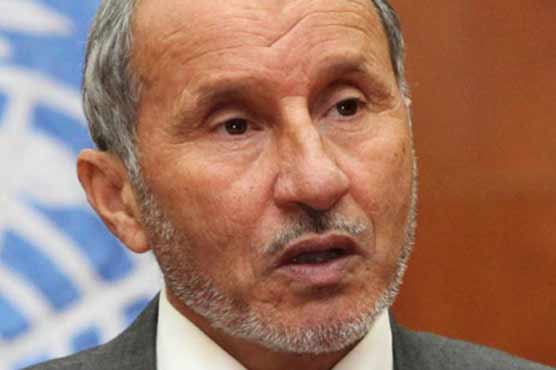
Libyas leader has acknowledged that his transitional government is powerless to control militias that are refusing to lay down their arms after ousting Moammar Gadhafi as it struggles to impose control over the oil-rich North African nation.In a wide-ranging interview Tuesday with The Associated Press, Mustafa Abdul-Jalil warned that remnants of the former regime also still pose a threat and it will take years for Libyas new leaders to overcome a heavy heritage of corruption and distrust after more than four decades of Gadhafis rule.Abdul-Jalil said the governing National Transitional Council has made mistakes, but he also criticized former rebels who have formed powerful militias and local governments that have emerged as rivals to the Tripoli-based central government that assumed power after Gadhafi was ousted.Both are to blame, he said. The governmental program to integrate the militias is slow and the revolutionaries dont trust it.Libya is celebrating the first anniversary of the Feb. 17 start of the revolution last year when peaceful anti-government protesters took up weapons in the face of a deadly crackdown by Gadhafis forces against their rallies.Libya declared liberation after Gadhafi was captured and killed in October and is getting ready for national assembly elections in June. The new assembly will form a government and set up a panel to draft a constitution.Abdul-Jalil said Gadhafis regime loyalists were seeding sedition in Kufra but declined to elaborate on which of the tribes are connected to the former regime.Salem Samadi, who heads a revolutionary militia and has tried to mediate a truce between the two sides, blamed the outbreak of violence on a fight over smuggling.Abdul-Jalil, 60, who has led the NTC since it was formed in opposition, said Libyans need years to overcome a culture of corruption, mistrust and build state institutions and rule of law.What Gadhafi left for us in Libya after 40 years is a very, very heavy heritage, he said, speaking in his office in Tripoli. It is very heavy and will be hard to get over it in one or two years or even five years.He also said that Gadhafis relatives and loyalists remain a danger because they are hosted by countries that dont have control over them. He didnt name the countries but said that Libyas future relations with neighbors will be determined by how they respond to Libyan demands to hand over former regime forces on their territories.
Featured