Updated on
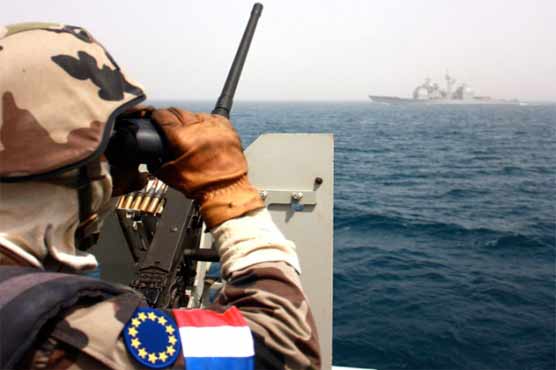
Summary World navies are taking a tougher stance in view of growing sea piracy.
When tanker master Miro Alibasic takes one of his companys vast ships across the Indian Ocean, he likes to have all the firepower he can get on board.Having seen last year how Somali pirates treat their captives, the 61-year-old is in no hurry to experience it again.It was hell on earth, he told Reuters by telephone from his home in the Croatian port of Dubrovnik.The number of ships seized in the region by Somali pirates fell last year, industry data shows, but the overall number of attempted attacks continues to rise and the raids have become increasingly violent.Breaking the piracy business model and tackling Somalias onshore problems will be among the aims of a major international conference on Somalia in London on Thursday. But few are optimistic of a solution any time soon, and shippers say they must take matters into their own hands.Greater use of private armed security guards on ships and a much tougher approach by international navies is beginning to work, some mariners, officials, contractors and military officers say. But others worry they may simply fuelling a growing arms race, ramping up the conflict and producing a rising human and financial cost.In March last year, Alibasic was transporting a cargo of crude oil from Sudan to Asia when his tanker - the 100,000 ton United Arab Emirates-registered Zirku - came under attack. For 90 minutes, the pirates poured heavy machine gun and rocket propelled grenade fire into the vessel.Then they were aboard, swarming over the two levels of barbed wire that surrounded the decks.The ferocity of the initial onslaught, he says, was matched by much of the treatment suffered by him and his 28 crew during their 75 days in captivity.As the shipowners negotiated the payment of an unspecified but reportedly massive ransom, he did everything he could to keep the multinational crew - including Jordanians, Egyptians, Ukrainians and Pakistanis - safe from sometimes drugged and bored captors.I read them poetry and played them opera to try to calm them down, he said, adding that he also played chess with the pirate leader Abdallah to win his respect. But they nearly hanged my second mate.The unlucky second officers only offence, he said, was to have demanded the right to have a shower after spending hours working in the tankers sweltering engine room. By the time Alibasic persuaded the pirates to let him go, the rope was already around his neck.Seafarers organisations say the treatment of prisoners has worsened over time. Other sailors have been suspended hung upside down for hours, dumped overboard or even keelhauled - dragged under the ship from one side to the other on a rope, a traditional punishment of the age of sail barely reported since the 17th or early 18th centuries.Estimates suggest at least 60 seafarers have died.
Featured