Updated on
Summary Police, firefighters and prison guards are demanding 39 percent increase in salaries.
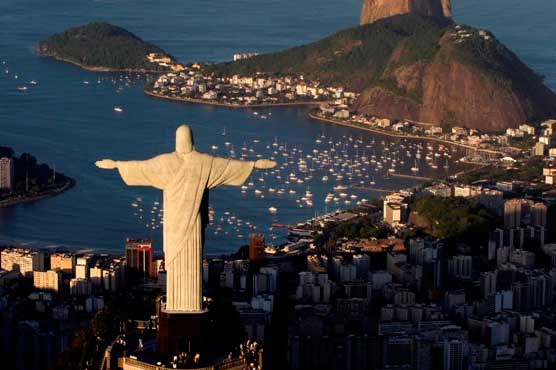
Police in Rio de Janeiro signed off on a strike late Thursday over a call for better wages a week ahead of the popular Carnival event that is expected to attract millions of revelers.Union leaders for the police force rejected a deal approved by Rios state legislature that had hoped to head off the strike with a 39 percent increase in pay for police, firefighters and prison guards.From now on, security is the responsibility of the national guard and army, a firefighter said after a five-hour meeting of several hundred policemen and firefighters in remarks run by Globo TV.The move added to already high tension for Brazils security forces after more than 200 military police ended a strike earlier in the day in Salvador, capital of Bahia state in Brazils northeast.The forces called off the action and ended a nine-day standoff after the arrest of their leader.The strike in Bahia had unleashed a massive crime wave in which more than 120 people were murdered in and around Salvador, Brazils third largest city, in just nine days, more than twice the usual homicide rate.Some 3,500 soldiers and elite police were sent to the area to restore order ahead of Salvadors famed Carnival celebrations later this month.The strike in Rio, which is set to hold some of the biggest Carnival celebrations in the country, threatened security at the popular festival and the wider city.Union leader for Rio firefighters Benevenuto Daciolo earlier urged the Bahia strike be extended to other states specifically to disrupt Carnival.The poorly paid military police -- a state force distinct from the federal police in Brazil -- is responsible for maintaining law and order.They are called military because of their organizational structure, but are not part of the armed forces.
Featured