Summary Trump postpones planned strikes on Iran’s power grids for five days as talks intensify, while markets recover and tensions across the Gulf remain high.
TEL AVIV/JERUSALEM/WASHINGTON (Reuters) – US President Donald Trump said on Monday he had ordered a five-day postponement of military strikes against Iranian power plants, just hours before a deadline that had threatened further escalation in the conflict now in its fourth week.
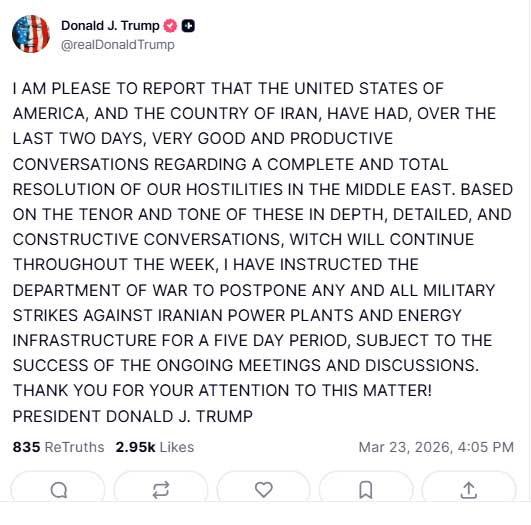
Trump said in a post on Truth Social that Washington and Tehran had held “very good and productive” conversations over the past two days aimed at achieving a complete resolution of hostilities in the Middle East. He indicated a deal could be reached within days.
A reporter for Axios said Turkey, Egypt and Pakistan had met White House envoy Steve Witkoff and, separately, Iranian Foreign Minister Abbas Araghchi. The discussions, citing a US source, focused on ending the war and resolving outstanding issues. Iran’s foreign ministry acknowledged “initiatives” to reduce tensions, though it insisted Washington should participate directly.
Iran denies negotiations
The White House did not respond to queries about the talks, including their location and participants. Meanwhile, Iran’s Fars news agency denied any direct or indirect communication with the United States.
Fars, citing an unnamed source, claimed Trump stepped back after being warned that Iran would retaliate by targeting power plants across the region.
Markets react
Trump said he had instructed the defence department to delay strikes pending the outcome of negotiations. He also told Fox Business that Iran was keen to reach a deal.
A source familiar with Israel’s war planning said Washington had kept it informed, adding that Israel was likely to follow suit by suspending attacks on Iranian energy infrastructure.
Following Trump’s remarks, Brent crude prices dropped sharply by about 13% to below $100 a barrel before stabilising near $101.80. Global markets also rebounded, with US stock futures reversing earlier losses to gain around 1.3%.
Rising stakes
On Saturday, Trump had warned that Iranian power plants would be destroyed if Tehran failed to fully reopen the Strait of Hormuz to shipping within 48 hours. Iran’s Revolutionary Guards responded by threatening strikes on Israeli infrastructure and facilities supplying US bases in the Gulf.
More than 2,000 people have been killed since the war began on February 28, disrupting markets, raising fuel costs and fuelling global inflation concerns. Analysts warn that attacks on electricity infrastructure could severely impact desalination systems critical for water supply across Gulf states.
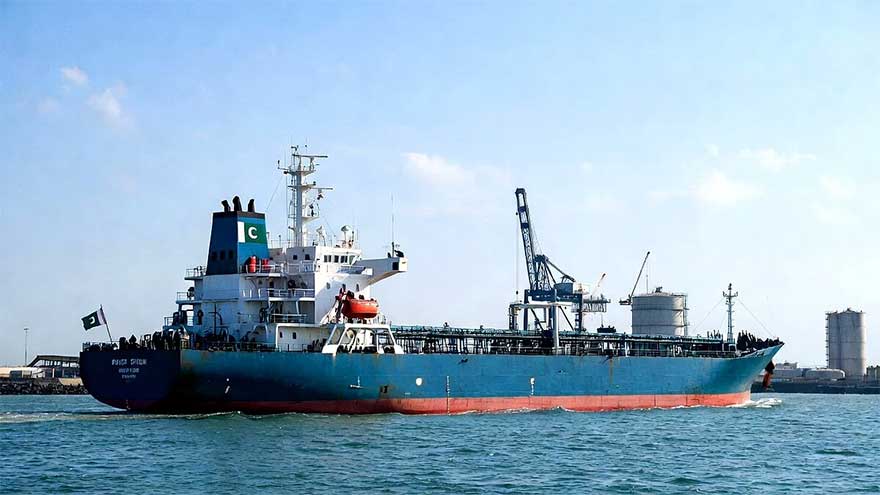
Iran has effectively closed the Strait of Hormuz, a key route for about a fifth of global oil and liquefied natural gas flows. Energy experts say the crisis could surpass the scale of previous global oil shocks.
Earlier on Monday, Iran’s Defence Council warned it could mine Gulf waters if strikes proceeded, potentially paralysing regional shipping routes.
The Israeli military said it had launched a new wave of strikes targeting infrastructure in Tehran. Iranian media reported six deaths and 43 injuries in Khorramabad, while a strike in Bushehr killed a senior meteorology official.
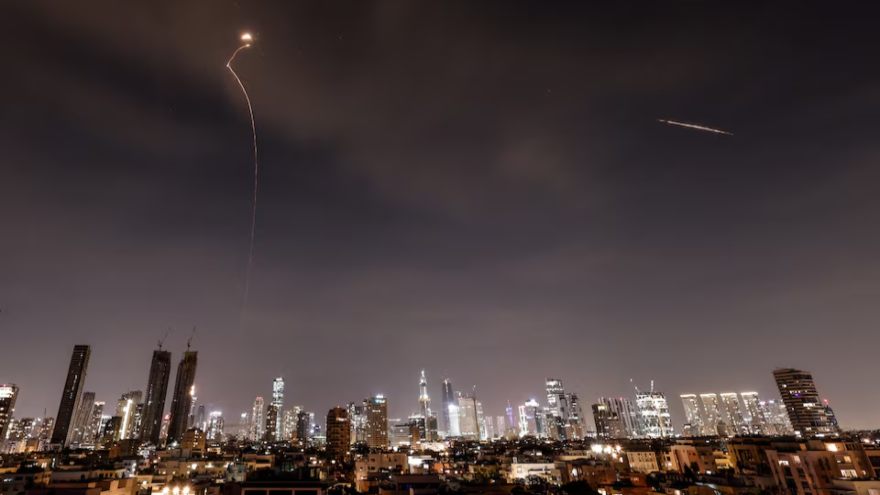
Across the Gulf, Saudi Arabia said two ballistic missiles were launched towards Riyadh, with one intercepted and the other landing in an uninhabited area.