Updated on
Summary The ruling affects about 70 million subscribers out of 894-million odd mobile users.
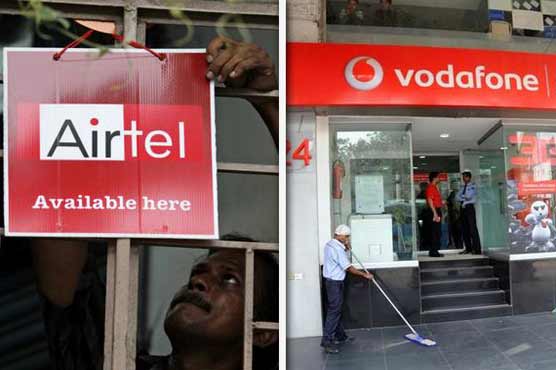
When Norwegian telecom giant Telenor entered Indias overcrowded and fiercely competitive mobile market in 2009, the Scandinavian firm insisted it would be one of the survivors.Now its investment and those of other foreign firms that jumped into the worlds second-largest telecom market lie in tatters after the Supreme Court Thursday cancelled second-generation (2G) mobile licences issued in 2008.Its a shock for the foreign operators, especially as this was a ruling on a government policy decision, Kamlesh Bhatia, India research director at global consultancy Gartner, told AFP.They stand to lose a sizeable investment.Telenors joint venture, Uninor, complained that the company was being unfairly treated.We are shocked to see Uninor is being penalised for faults the court has found in the government process, it said.The Norwegian firm paid $1.10 billion for a majority stake in the venture with Indian property developer Unitech, which bought a licence in a distribution process that was under-priced and allegedly corrupt.Unitech was among a number of Indian companies with no telecom experience that sold stakes in their new mobile operations to foreign investors, including Gulf-based Etisalat and Russias Sistema JSFC, for hefty sums.The licensing sales are at the heart of one of Indias biggest corruption scandals in which former telecom minister A. Raja is alleged to have mis-sold the licences and favoured some firms, costing the treasury up to $39 billion.Raja and a number of company executives, including a Unitech director, have been charged in the scandal which has cast a shadow over Premier Manmohan Singhs Congress government and triggered nationwide anti-corruption drives.Indian law allows the affected firms to seek a review of the court order and companies are weighing what action to take.The company would like to state that being a law-abiding organisation, it reserves the right to protect its interests by using all available judicial remedies, Russias Sistema said in a statement.The court ruling said the licenses must be put up for re-bidding, but it remained unclear whether the firms will have the stomach or resources to invest more to defend businesses which are still in start-up mode, said Fitch ratings agency.Telenor, which has been struggling in the Indian market, and other overseas companies will have to decide whether they want to continue to do telecom business in India, said Gartners Bhatia.The ruling affects about 70 million subscribers -- out of Indias 894-million odd mobile users -- who are clients of the operators which lost their licences, forcing users to seek out other providers.The decision also raises new uncertainty about India as an investment destination at a time when the country is seeking to raise about $1.0 trillion over the next five years to upgrade its dilapidated infrastructure.This (decision) could mean that investors may shy away from other priority sectors such as roads and highways, energy and power utilities, Naveen Mishra, lead telecoms analyst at CyberMedia Research, told AFP.The licence cancellation follows on the heels of a high-profile government U-turn late last year on allowing foreign supermarkets to enter India.There is no regulatory consistency, said Ashish Basil, partner at consulting firm Ernst & Young Indias telecom group.The court rulings big winners are local phone service providers such as Bharti Airtel and Vodafone India whose unaffected licences were awarded before 2008.The ruling may also result in a long-anticipated industry consolidation as weak operators fall by the wayside or are swallowed up by stronger rivals.