Summary 67% of voters in Bangladesh backed sweeping constitutional reforms in a national referendum held with general elections, marking a major political shift after Sheikh Hasina’s exit
DHAKA (Web Dewsk) - Bangladesh has witnessed a major political shift as 67 percent of voters backed constitutional reforms in a national referendum held alongside the country’s 13th parliamentary elections.
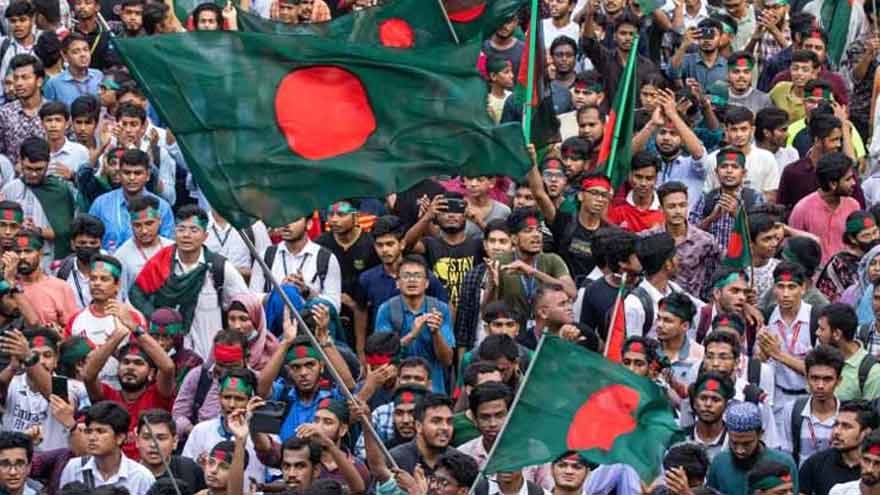
Vote counting is still underway following the general elections, which took place 18 months after a student-led uprising ended the two-decade rule of India-aligned former Prime Minister Sheikh Hasina.
According to unofficial and preliminary results, 67 percent of voters supported the proposed reforms, while 33 percent voted against them.
The referendum required citizens to choose between “Yes” or “No,” a decision expected to shape Bangladesh’s future political and constitutional framework.
The referendum centered on the proposed July National Charter, a reform package aimed at implementing the demands of the July 2024 public movement.
The charter seeks to strengthen governance, democracy, and social justice while preventing the concentration of power in a single individual or institution.
Bangladesh's BNP heading for 'sweeping' election win
The draft was prepared by the National Consensus Commission formed by Muhammad Yunus after consultations with major political parties, though the Awami League did notparticipate in the process.
Voters were asked to give their opinion on nearly 30 reforms, including four major constitutional amendments.
Key proposals include the creation of new constitutional institutions, transforming parliament into a bicameral legislature, and requiring approval from an upper house (Senate) before any constitutional amendment can be passed.
The charter also proposes limiting the prime minister’s tenure and expanding presidential powers to ensure a better balance of authority and prevent political centralization.