Updated on
Summary The head of Libya's transitional government suspended delegates from Benghazi.
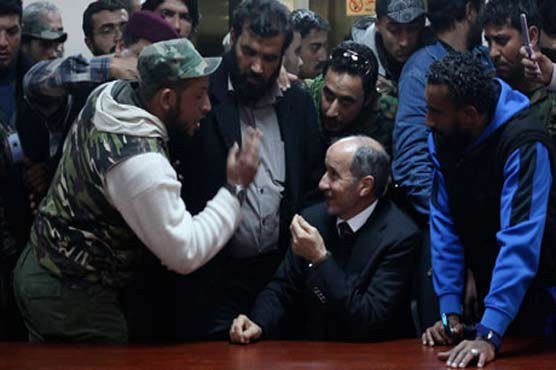
The head of Libyas transitional government on Sunday suspended delegates from Benghazi, the city that kicked off the movement that toppled ruler Moammar Gadhafi last year.The suspension the latest sign of discord within the body that led the anti-Gadhafi uprising but has struggled to establish an effective government to replace his regime.The move follows protests in Benghazi accusing the body of corruption and not moving fast enough on reform. It was prompted by street protests and rejected by the delegates.The announcement came the day after protesters stormed the National Transitional Council offices in Benghazi and carted off computers, chairs and desks while Mustafa Abdul-Jalil, head of the NTC, was holed up inside.Abdul-Jalil told The Associated Press he suspended the six representatives from Benghazi, the main city in eastern Libya. They can continue to serve only if approved by the local city council.Abdul-Jalil said he appointed a council of religious leaders to investigate corruption charges and identify people with links to the Gadhafi regime.The bodys deputy head, Abdel-Hafiz Ghoga, resigned in protest over the suspensions. Ghoga, known for his polished language and expensive suits, was a prominent spokesman during the eight-month civil war that ended with Gadhafis capture and killing in October.Another delegate, Fathi Baja, called the move illegitimate and said he would stand down only if the people of Benghazi asked him to. Baja, a well known critic of Gadhafi even before the uprising, also criticized the appointment of religious leaders, saying that when he was criticizing Gadhafi, they were calling on people to obey the leader.Also Sunday, the head of the committee tasked with preparing the countrys election law said its release would be delayed for one week. The final law, which was set to be announced Sunday, will be made public on Jan. 28, said Othman al-Mugherhi.The committee published a draft law earlier this month and said it would solicit comments from Libyans. Al-Mugherhi said the delay will allow the committee to consider these comments while drafting the final law.