Updated on
Summary US authorities plan to continue a series of secret meetings with Taliban representatives.
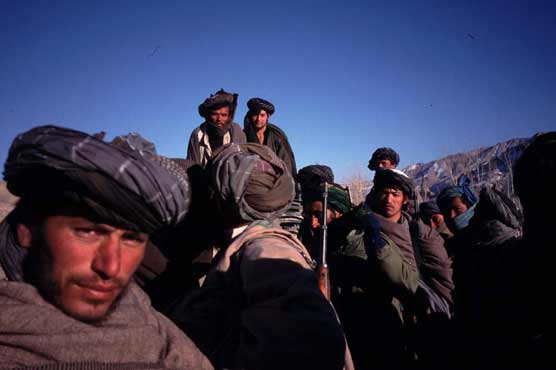
The Obama administration hopes to restore momentum in the spring to U.S. talks with the Taliban insurgency that had reached a critical point before falling apart this month because of objections from Afghan President Hamid Karzai, U.S. and Afghan officials said.One goal of renewed talks with the insurgents would be to identify cease-fire zones that could be used as a steppingstone toward a full peace agreement that stops most fighting, a senior administration official told The Associated Press. It is a goal that so far has remained far out of reach.U.S. officials from the State Department and White House plan to continue a series of secret meetings with Taliban representatives in Europe and the Gulf region next year, two officials said, assuming a small group of Taliban emissaries the U.S. considers legitimate remains willing.The U.S. officials spoke on condition of anonymity to describe the sensitive and precarious American outreach to the Taliban leadership.The U.S. outreach this year had fits and starts but had progressed to the point that there was active discussion of two steps the Taliban seeks as precursors to negotiations, the senior U.S. official said. Talks are on an unofficial hiatus at Karzais request, U.S. and other officials said.The trust-building measures under discussion involve a would-be Taliban headquarters office and the release from the U.S. military prison at Guantanamo Bay, Cuba, of about five Afghan prisoners considered affiliated with the Taliban.Those steps were to be matched by assurances from at least part of the Taliban leadership that the insurgents would cut ties with al-Qaida, accept the elected civilian government of Afghanistan and bargain in good faith.The U.S. describes its current Afghan policy as fight, talk, build, and maintains that it will not back off the military campaign that has ended Taliban control of key southern areas that had been the movements mainstay. The Taliban remains a potent fighting force and has shifted operations to other parts of the country.Just Friday, for instance, a NATO service member died in a roadside bombing in southern Afghanistan, while allied and Afghan forces killed three senior Taliban figures and captured 11 fighters and sympathizers, according to the alliance.Although top U.S. military commanders say they cannot kill their way to military victory in Afghanistan, targeted raids on Taliban operatives are one of the tactical success stories of President Barack Obamas shift in strategy that favors counter-terrorism tactics.The longer-term strategic effect of those tactics is less clear; nighttime kill-and-capture raids, in which a number of civilians have died, have become a flashpoint for anger over foreign meddling in Afghanistan. Karzai has demanded that foreign troops stop breaking into homes.