Updated on
Summary NATO will continue nighttime kill-and-capture raids despite repeated protests by Karzai.
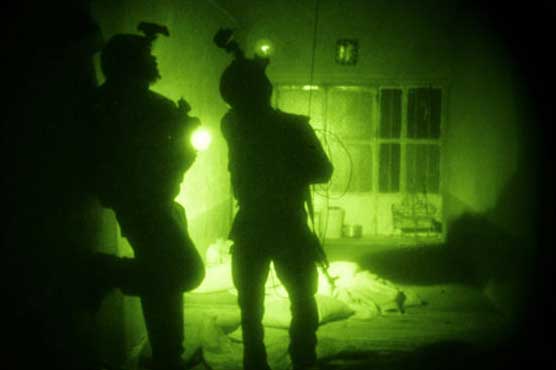
NATO Spokesman Brig. Gen. Carsten Jacobson said that Afghan special forces now take part in nearly all night raids and their participation is constantly increasing.The raids have become a flash point for anger over foreign meddling in Afghanistan and whether detention operations will be run by the Afghans or Americans. Karzai has demanded that foreign troops stop entering homes, saying Afghan citizens cannot feel secure if they think armed soldiers might burst into their houses in the middle of the night.Karzais office said in a statement that during a National Security Council meeting late Sunday, the president had emphasized the need to prevent civilian casualties, saying the casualties and the night raids on homes have created serious problems.Last month, Karzai convened a traditional national assembly known as a Loya Jirga that stopped short of demanding a complete end to night raids. Instead, it asked that they be led and controlled by Afghan security forces a demand that the U.S. says it has met.During a briefing on Sunday Jacobson said that the raids remain the safest form of operation to take out insurgent leaders. They account for less than 1 percent of civilian casualties, and in 85 percent of cases no shots are fired, he said.President Karzai has asked foreign troops to (refrain) from entering Afghan homes and this is exactly where ... Afghanization comes in, Jacobson said, referring to the gradual transfer of responsibility for security to the Afghan army and police. They are due to assume full control in 2014, when foreign forces are to end their combat role in Afghanistan.Adm. William McRaven, who leads the U.S. Special Operations Command, said last week that about 2,800 raids were carried out against insurgent targets in the past year.But some analysts have questioned the military and political value of the operations, saying that when guerrilla commanders are taken out they are usually replaced by younger and more aggressive fighters less disposed to making any compromise with the government.The issue also has held up the signing of a security agreement with the U.S. that could keep thousands of American troops here for years beyond the 2014 deadline for most international forces to leave. Remaining American troops would train Afghan forces and assist with counterterrorism operations.The latest controversy over night raids was sparked by an operation early Saturday on a home in the Ahmadaba district of Paktia province.The provincial governor condemned what he said was a raid on the home of the local counternarcotics chief. Three men were detained during the operation, including a leader with the Haqqani militant network, which is affiliated with al-Qaida and the Taliban. The coalition said a joint Afghan-NATO force returned gunfire coming from the house.One woman inside the compound was killed during the operation.Jacobson said the counter-narcotics chief was released from custody on Sunday.Separately, Jacobson said that in recent days Pakistani officers had been returning to the joint control centers where NATO, Afghanistan and Pakistan share information and coordinate security operations.The Pakistanis were withdrawn after NATO airstrikes killed 24 Pakistani troops along the border last month.Furious over the incident, Islamabad retaliated by cutting the route which NATO uses to transport supplies to its forces in landlocked Afghanistan. It also severed military coordination between the two sides, and the return of Pakistani liaison officers may signal that tensions are now easing.Meanwhile, two attackers wearing suicide vests were killed Monday when their explosives detonated while they were riding a motorcycle through Dilaram district in western Nimroz province, the Interior Ministry said. There were no other injuries, the statement said. --AP