Updated on
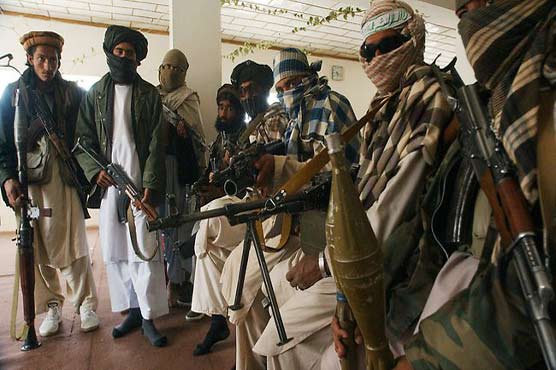
Summary After 10 months of secret dialogue with Afghanistan's Taliban insurgents, senior US officials said.
The officials acknowledged that the Afghanistan diplomacy, which has reached a delicate stage in recent weeks, remains a long shot. Among the complications: US troops are drawing down and will be mostly gone by the end of 2014, potentially reducing the incentive for the Taliban to negotiate.Still, the senior officials, all of whom insisted on anonymity to share new details of the mostly secret effort, suggested it has been a much larger piece of President Barack Obamas Afghanistan policy than is publicly known.US officials have held about half a dozen meetings with their insurgent contacts, mostly in Germany and Doha with representatives of Mullah Omar, leader of the Talibans Quetta Shura, the officials said.While some US-Taliban contacts have been previously reported, the extent of the underlying diplomacy and the possible prisoner transfer have not been made public until now.The reconciliation effort, which has already faced setbacks including a supposed Taliban envoy who turned out to be an imposter, faces hurdles on multiple fronts, the US officials acknowledged.They include splits within the Taliban; suspicion from Karzai and his advisers; and Pakistans insistence on playing a major, even dominating, role in Afghanistans future.If the effort advances, one of the next steps would be more public, unequivocal US support for establishing a Taliban office outside of Afghanistan.US officials said they have told the Taliban they must not use that office for fundraising, propaganda or constructing a shadow government, but only to facilitate future negotiations that could eventually set the stage for the Taliban to reenter Afghan governance.On a possible transfer of Taliban prisoners long held at Guantanamo, US officials stressed the move would be a national decision made in consultation with the US Congress. Obama is expected to soon sign into law the 2011 defense authorization bill that contains new provisions on detainee policy.US officials have met with Tayeb Agha, who was a secretary to Mullah Omar, and they have held one meeting arranged by Pakistan with Ibrahim Haqqani, a brother of the Haqqani networks founder. They have not shut the door to further meetings with the Haqqani group, which is blamed for a brazen attack this fall on the U.S. embassy in Kabul and which senior US officials link closely to Pakistans intelligence agency.Senior administration officials say that confidence-building measures must be implemented, not merely agreed to, before full-fledged political talks can begin. The sequence of such measures has not been determined, and they will ultimately be announced by Afghans, they say.US officials stress that the end conditions they want the Taliban to embrace -- renouncing violence, breaking with al Qaeda, and respecting the Afghan constitution -- are not preconditions to starting talks.In July, the Taliban reiterated its long-standing position of rejecting any peace talks as long as foreign troops remain in Afghanistan. In October, a senior Haqqani commander said the United States was insincere about peace in Afghanistan.But US officials say the Taliban no longer wants to be the global pariah it was in the 1990s. Some elements have suggested flexibility on issues of priority for the West, such as protecting rights for women and girls.Yet as the process moves ahead, the idea of seeking a peace deal with an extremist movement is fraught with challenge.Speaking in an interview with CNN aired on Sunday, Karzai counseled caution in making sure that Taliban interlocutors are authentic -- and authentically seeking peace. The Rabbani killing, he said, was a demonstration of such difficulties and brought us in a shock to the recognition that we were actually talking to nobody.Critics of Obamas peace initiative are deeply skeptical of the Talibans willingness to negotiate given that the Wests intent to pull out most troops after 2014 would give insurgents a chance to reclaim lost territory or nudge the weak Kabul government toward collapse.- Reuters