Updated on
Summary A UN report says that land under poppy cultivation in Afghanistan has expanded 7 percent from 2010.
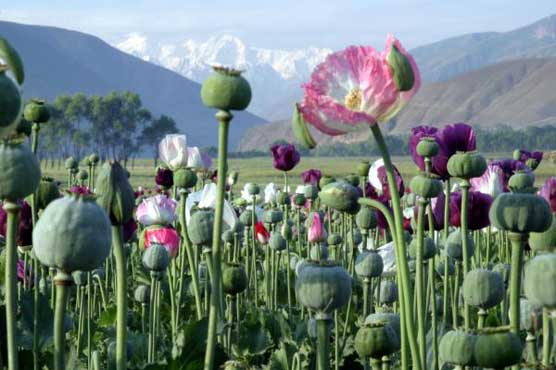
Opium production in Afghanistan, which fuels the Taliban insurgency, is set to rise by nearly two-thirds as prices soar after last years harvest was blighted by disease, the United Nations said Tuesday.Ten years after the 2001 US-led invasion to drive the Taliban from power, Afghanistan produces 90 percent of the worlds illegal opium, funding much of the militias insurgency despite an expensive Western eradication programme.The UN said that cultivation of the poppy crop reached 131,000 hectares in 2011, seven percent higher than in 2010 due to insecurity and high prices, said the UN Office on Drugs and Crime (UNODC) in its annual opium survey.And with the crop yield per hectare up markedly from last year, overall production would potentially rise by 61 percent on last year, the report said.The increased amount of land under opium production indicates a major failure on the part of NATOs civilian partners -- notably provincial reconstruction teams -- to convince farmers to switch to alternative crops.The price of dry opium rose 43 percent this year compared to 2010 and total farm-gate income is set to increase by 133 percent to reach $1.4 billion in 2011, or nine percent of Afghanistans GDP, the report said.About 78 percent of cultivation was concentrated in southern Afghanistan, the heartland of the Taliban-led insurgency and where the United States has concentrated a troop surge designed to beat back the militias influence.Another 17 percent was produced in the lawless and remote southwest, which include the most insecure provinces in the country, the report said.Lemahieu said that on average the drugs trade made a $2 billion profit in Afghanistan between 2001 and 2010, turning into a $66 billion profit abroad.Within the $2 billion in Afghanistan, he said 10 percent went to insurgents and about 20 percent to farmers.He said a question mark hung over the remaining $1.4 billion, believing most of it was devoured by corruption and criminality. But last year, prices rose more than 300 percent.Afghan authorities have been trying to rid the country of illicit opium production with help from its international allies since the Taliban were ousted from power in a US-led invasion in late 2001.Experts say the Talibans involvement in the drugs trade stretches from direct facilitation -- such as providing farmers with seed, fertiliser and cash advances on their crop -- to distribution and protection.