Updated on
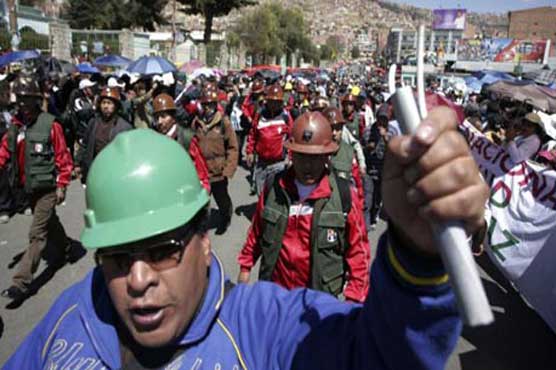
Summary Bolivian demonstrators resume protest march against the construction of a road in the Amazon.
Bolivian demonstrators opposed to the construction of a road in the Amazon resumed on Saturday, a month-long protest march that has become a major challenge to leftist President Evo Morales.The march by poor Indians who live in the path of the planned $420 million road is a problem for Morales, Bolivias first leader of indigenous descent who led many anti-government protests in his days as leader of the coca farmers.The demonstrators, who hail from the Isiboro Secure indigenous territory and national park, want a law guaranteeing that the Brazil-financed road will bypass their territory.The resumption of the protest march increases pressure on Morales to resolve the conflict over the government-backed road plan.Police broke up the protest last weekend when they fired tear gas and briefly detained marchers in a raid on a camp they were using en route to the Andean city of La Paz.In response, Morales defence and interior ministers resigned. Morales gave a televised speech, saying he sympathized with the protesters and asking their forgiveness for police excesses. He also described the demonstrations as a wake-up call.Guarani indigenous leader Celso Padilla was one of protesters involved. He now has several fractured vertebrae and runs the risk of paralysis.As he was greeted by supporters, he said the activists are emboldened by a wave of sympathy protests.Morales has sought to ease tensions over the project by halting construction work and calling for a referendum in the two provinces that it would link to determine whether the project should go ahead. But the protesters have rejected the call for a vote.Social protests are common in Bolivia, the regions biggest natural gas exporter, but tensions have eased since Morales was elected in 2005 on pledges to give more political power to the indigenous majority.