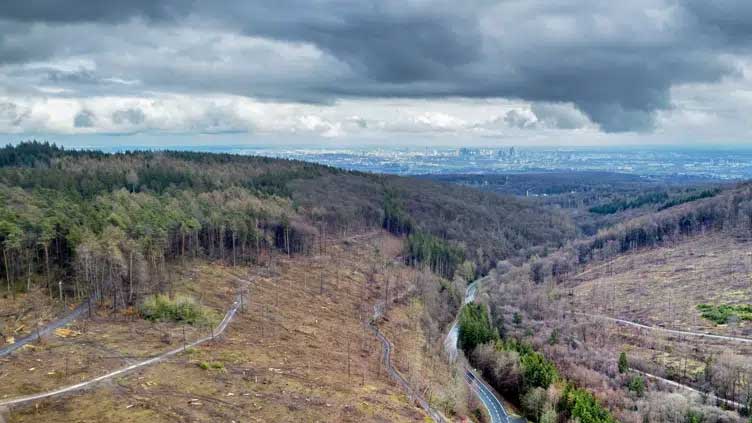
Summary EU at the crossroads of fight for environment amid growing opposition to law to restore nature
BRUSSELS (AP) — The European Union has been at the forefront of the fight against climate change and the protection of nature for years. But it now finds itself under pressure from within to pause new environmental efforts amid fears they will hurt the economy.
With the next European Parliament elections set for 2024, some leaders and lawmakers are concerned about antagonizing workers and voters with new binding legislation and restrictive measures and are urging the 27-nation bloc to hit the brakes.
Since Ursula von der Leyen took the helm of the powerful European Commission back in 2019, environmental policies have topped the EU agenda. EU nations have endorsed plans to become climate neutral by 2050 and adopted a wide range of measures, from reducing energy consumption to sharply cutting transport emissions and reforming the EU’s trading system for greenhouse gases.
But cracks in the European united front against climate change have emerged in recent months.
The first sign was earlier this year when Germany, the bloc’s economic giant, delayed a deal to ban new internal combustion engines in the EU by 2035 amid ideological divisions inside the German government.
An agreement was finally reached in March, but just weeks later, the bloc’s other powerhouse, France, called for a pause on EU environmental regulation, causing controversy.
As he presented a bill on green industry earlier this month, French President Emmanuel Macron said it was time for the EU to implement existing rules before adopting new ones.
“We have already passed a lot of regulations at European level, more than our neighbors,” he said. “Now we have to execute, not make new rules, because otherwise we will lose all players.”
Macron has been particularly concerned by a U.S. clean energy law that benefits electric vehicles and other products made in North America, fearing it will expose European companies to unfair competition. Although Europeans and their American partners keep working to resolve the challenges posed by the U.S. law, Macron’s logic basically holds that a pause on environmental constraints would help EU businesses keep producing on home soil, despite competition from countries such as China that have lower environmental standards.
Belgian Prime minister Alexander De Croo quickly followed suit, calling this week for a moratorium on the introduction of EU legislation aimed at nature preservation, creating a rift within the governing coalition including green politicians.
The law proposed by the EU’s executive arm aims, by 2030, to cover at least 20% of the EU’s land and sea areas with nature restoration measures, “and eventually extend these to all ecosystems in need of restoration by 2050,” the commission said.
De Croo said that climate legislation should not be overloaded with restoration measures or limits on agricultural nitrogen pollution, warning that businesses would no longer be able to keep up.