Updated on
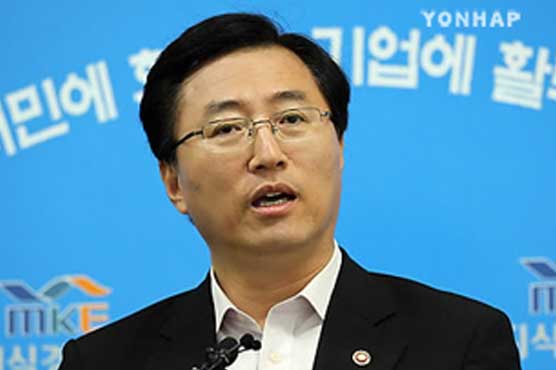
Summary South Korea's energy minister resigned Tuesday to take responsibility for chaotic power blackouts.
The power blackout had plunged large swaths of the country into darkness on the afternoon of Sept. 15.With nine months on the job, Knowledge Economy Minister Choi Joong-kyung had been under pressure to step down after the unscheduled rolling power cuts halted production lines, trapped people in elevators and caused mayhem on roads as traffic lights failed. There were no reports of injuries.The power cuts were triggered by unusually warm weather that led to a surge in power demand. That demand couldnt be met because many of the countrys power plants, including nuclear reactors, were closed for maintenance following the high-demand summer season. Temperatures rose as high as 33 degrees Celsius in parts of the country.The outages affected more than two million households over a five-hour period, with each blackout lasting about 30 minutes.The following day, Mr. Choi said that power needed to be cut in intervals to avoid a catastrophe. If consumption had exceeded demand, the entire nation would have lost power, he said. In a total blackout, full recovery would take at least 40 hours, he said.Following the blackout, South Korean President Lee Myung-bak met leaders of the Korea Power Exchange, which is in charge of balancing power supply and demand, and Korea Electric Power. Local media reported that Mr. Lee told officials, You have done something that should never happen. I feel ashamed of even talking about it.The government is currently taking damage claims from companies and individuals.